
Skip to content
SESA Institute home

Middle East and Africa Studies

Publications on this topic

  • An elderly ultra-Orthodox man casting his vote, beside a crowd of Haredi men

    Report

    2026 Knesset Election: A Victory for the Radical Right Electorate in Israel?

    In the Knesset election of 27 October 2026, the Netanyahu bloc failed to reach a 61-seat majority. This result, however, does not mean that the radical right has declined in Israel. Provisional results show that right-wing, religious Zionist and ultra-Orthodox parties have reached 60 seats, half of the Knesset. Lists headed…

    Prof. Veysel Ayhan
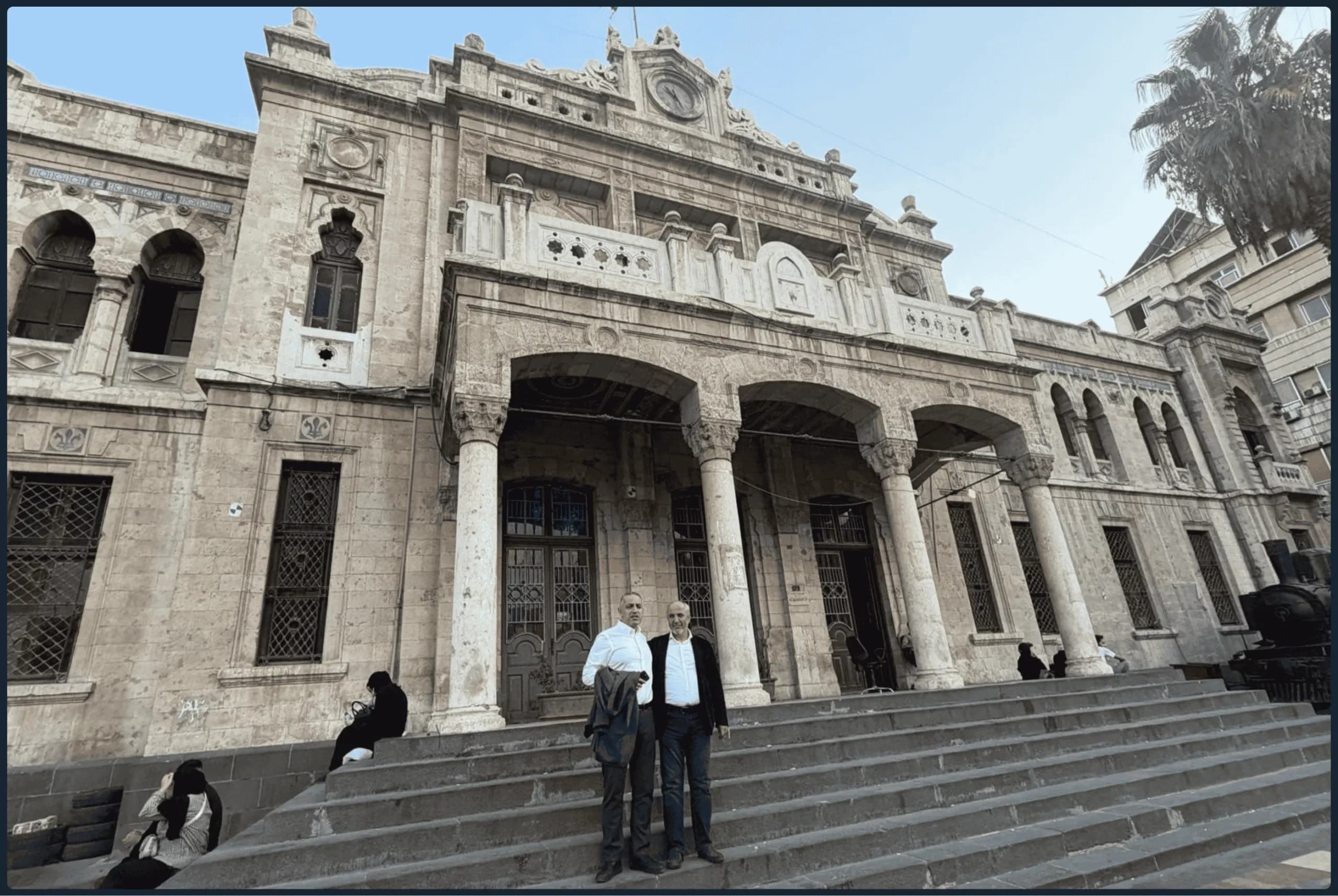
  • The Hejaz Railway Station in Damascus

    Analysis

    Two Days in Damascus: The Pulse of Life in the Shadow of War

    When the Umayyads of Damascus fell, Abd al-Rahman of the dynasty made his way, in an adventure worthy of the cinema, from Damascus to the Maghreb and from there by ship to al-Andalus, then divided among various tribes and powers. There he re-established the Umayyad state of al-Andalus, enabling the Umayyads to survive for several more centuries…

    Samir Altunkaynak

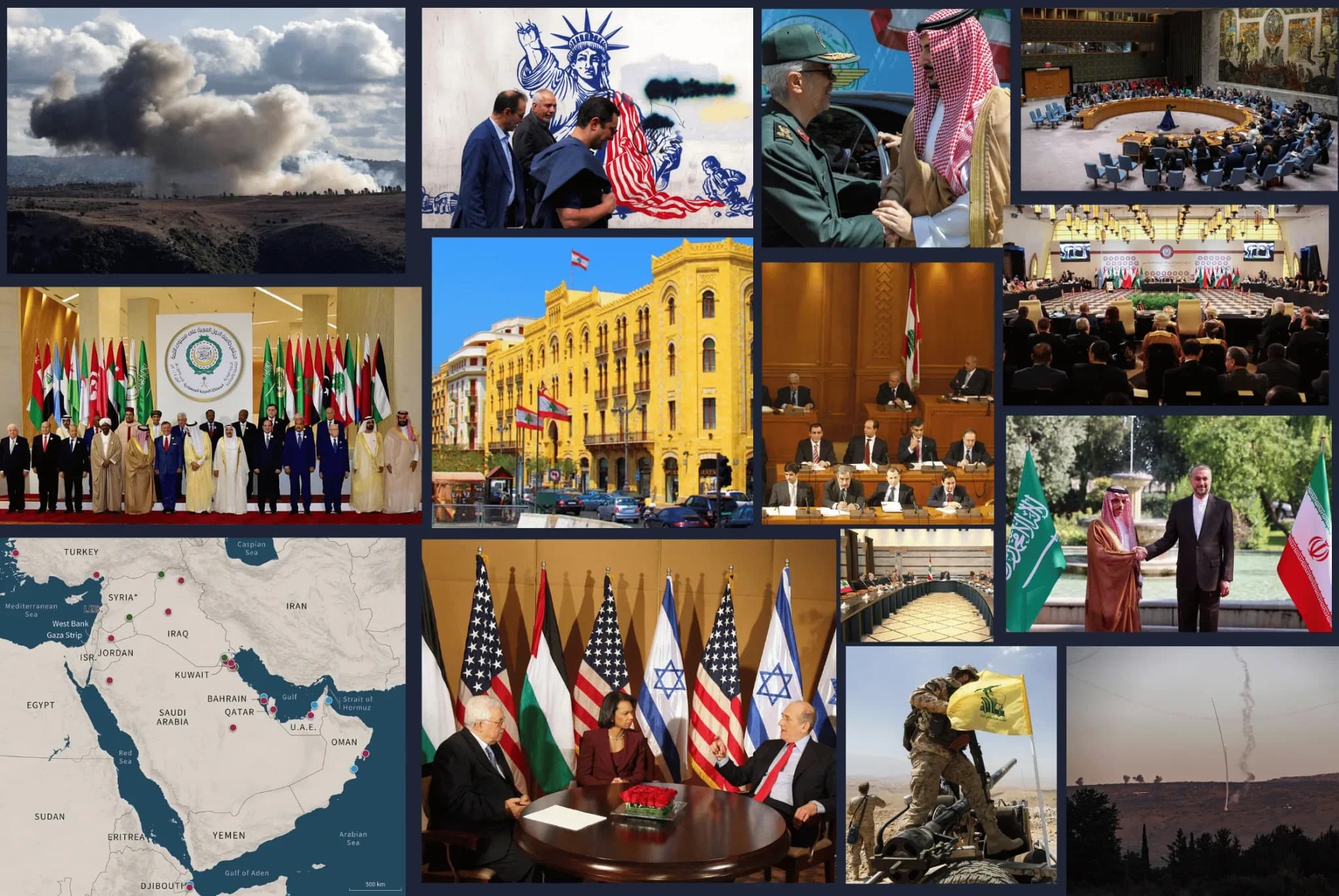
  • Collage of scenes from Lebanon, regional leaders and a map

    Analysis

    Between Sovereignty and the Requirements of the Present Moment in Lebanon: The State’s Struggle with Internal Pressures and Regional Conflicts

    Lebanon has entered an extremely delicate period that may determine its political and security future in the years ahead. The issue is no longer merely the border tension with Israel or the technical negotiations surrounding the ceasefire. The problem concerns the essence of the state: in Lebanon…

    Dr Gülşen Y. Sağlam

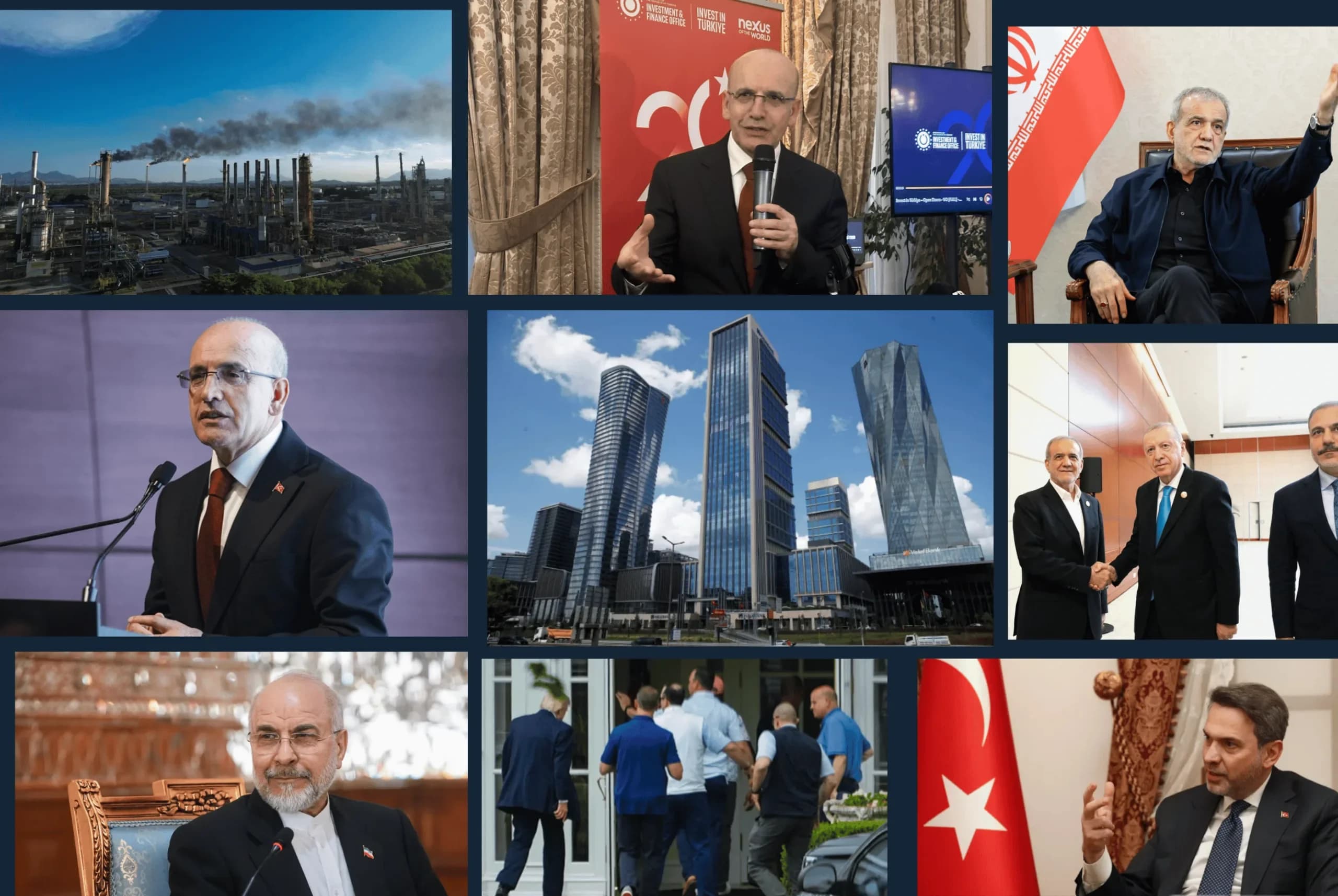
  • Collage of Turkish officials, an industrial skyline and a financial district

    Interview

    The Effects of the Israel–US and Iran War on Türkiye: Flight to a Safe Haven and the Potential to Become an International Financial Centre

    In the current conjuncture, in which regional geopolitical tensions are deepening, the possible repercussions for Türkiye of the war centred on Israel–US and Iran emerge as an issue that must be analysed carefully not only in the context of foreign policy and security but also in terms of economic policy, public finance, the financial system, logistics infrastructure and institutional capacity…

    Prof. H. Hakan Yılmaz

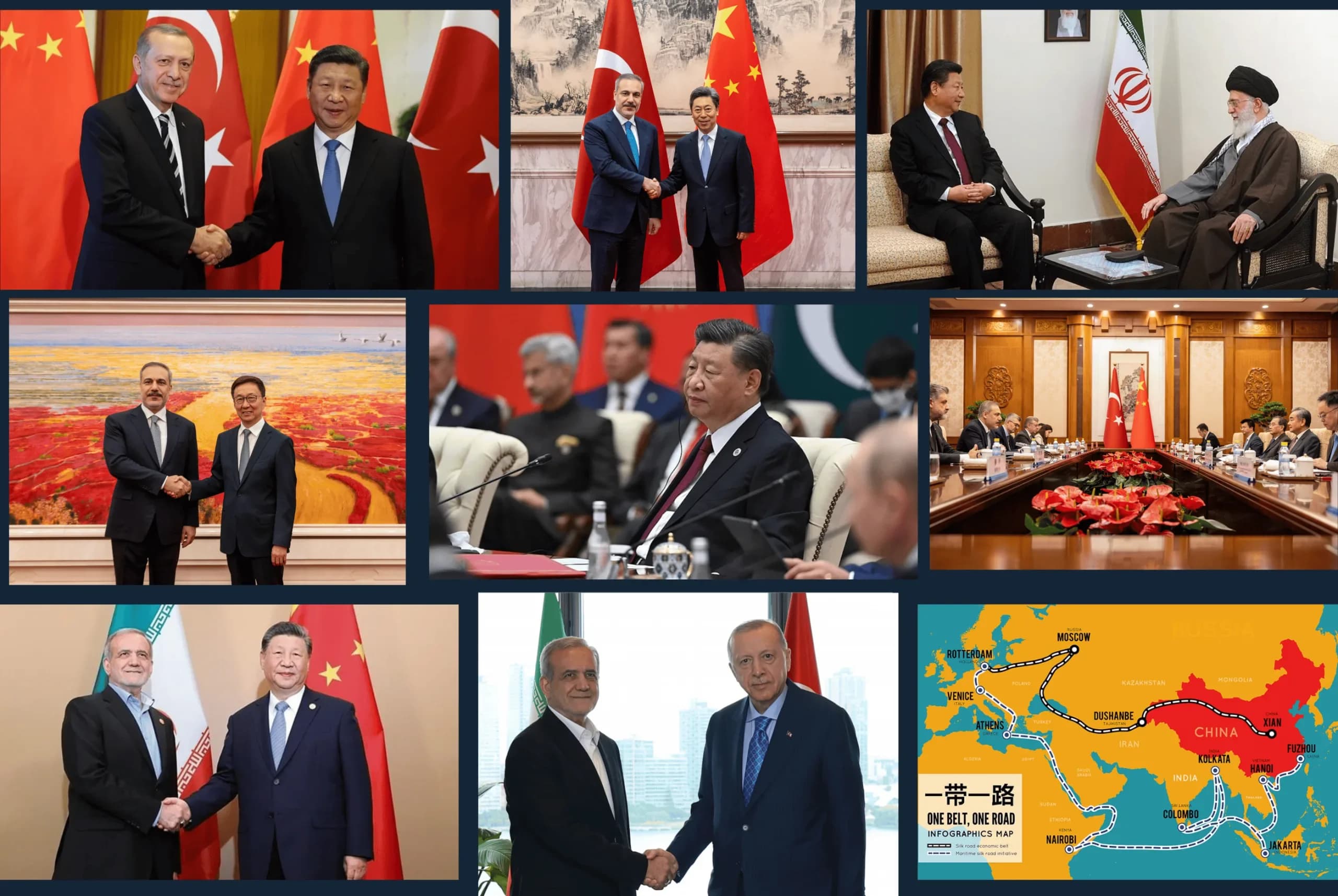
  • Collage of meetings between Chinese, Turkish and Iranian leaders and a Belt and Road map

    Analysis

    China’s Approach to the Middle East Crisis in the Context of the Iran War, and Relations with Türkiye

    The US and Israeli attacks on Iran on 28 February 2026 significantly affected China, which has deep strategic and economic relations with the countries of the Middle East. At the start of the war, the Beijing administration pursued a cautious policy that criticised the military intervention, emphasised calls for a diplomatic solution and…

    Yener Yılmaz and Sinem Topçu

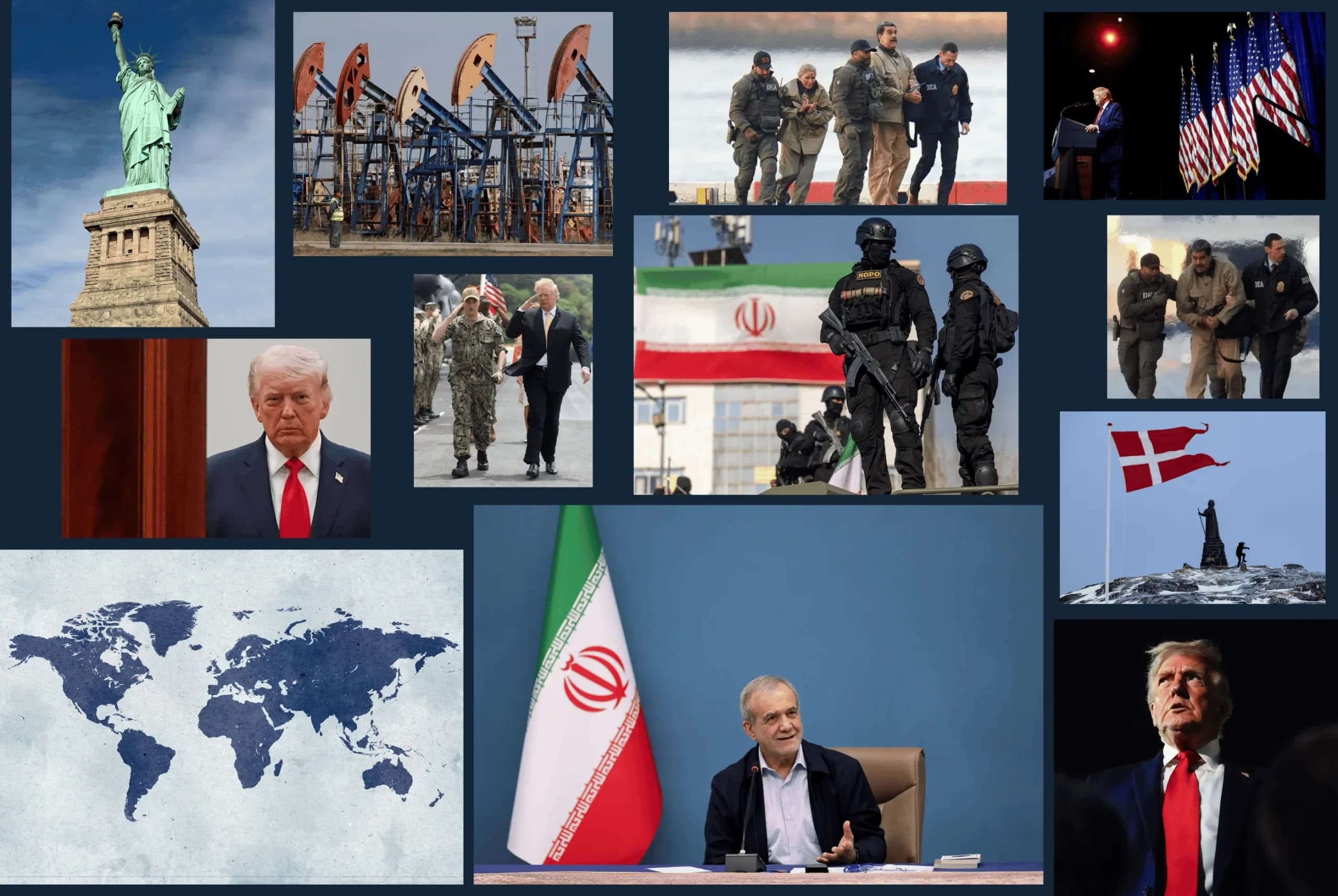
  • Collage of Donald Trump, Iranian leaders, soldiers and a world map

    Analysis

    Trump’s Iran Policy and the Transformation of American Hegemony

    The present-day global role of the US can be regarded as a process of transition between hegemony and empire. Trump’s foreign policy priorities, however, indicate that this transition is increasingly deepening in favour of empire. This affects not only the structure of the international system but also…

    Prof. Veysel Ayhan

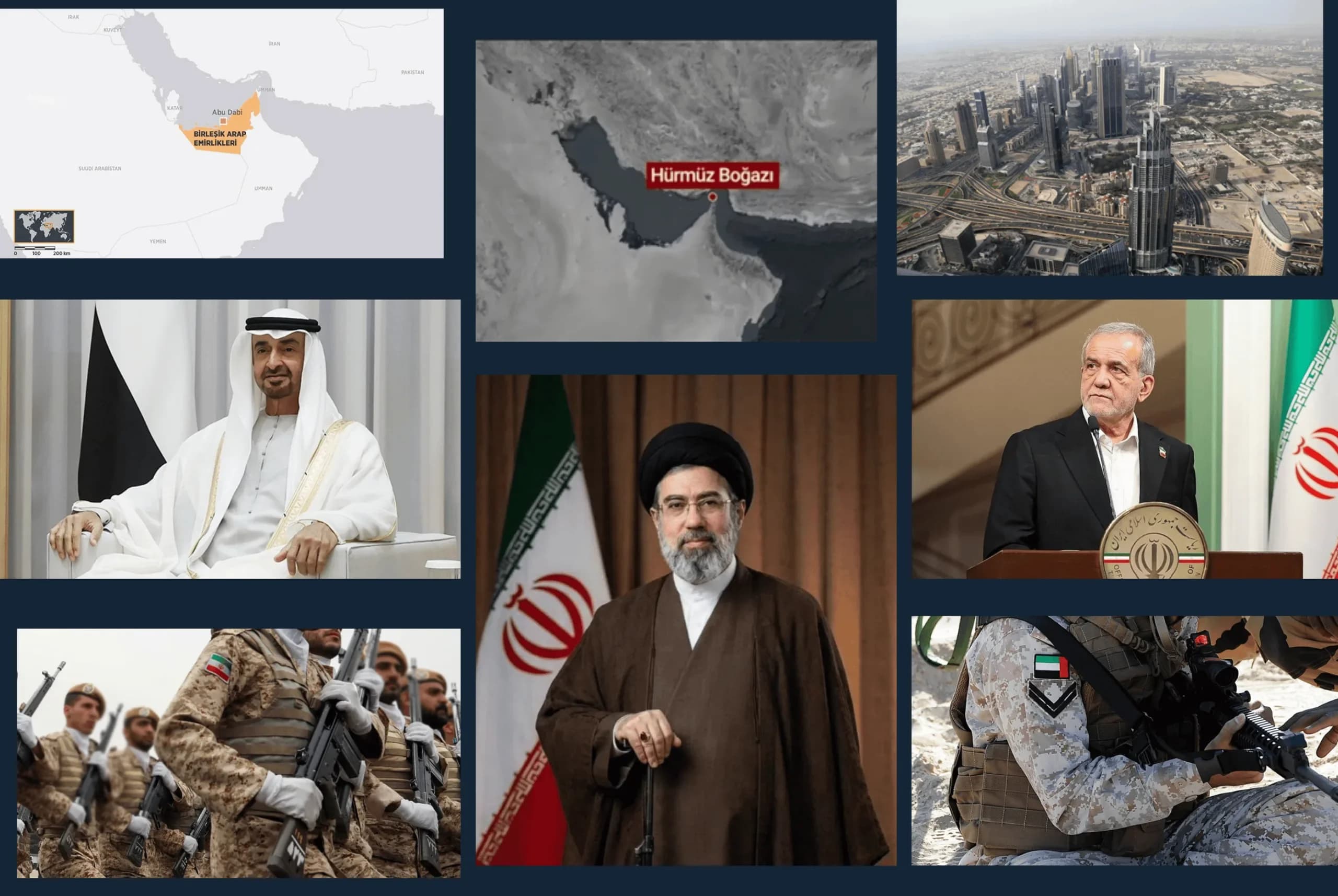
  • Collage of a Gulf map, UAE and Iranian leaders and soldiers

    Interview

    Towards an Iran–UAE War in the Persian Gulf?

    Following the simultaneous US and Israeli attacks on Iran on 28 February, the Tehran administration did not confine the conflict to the Israeli front alone; it turned to a large-scale military strategy in the Persian Gulf directly targeting the Gulf countries. Between 28 February and 26 March, the attacks carried out on the Gulf…

    Prof. Veysel Ayhan

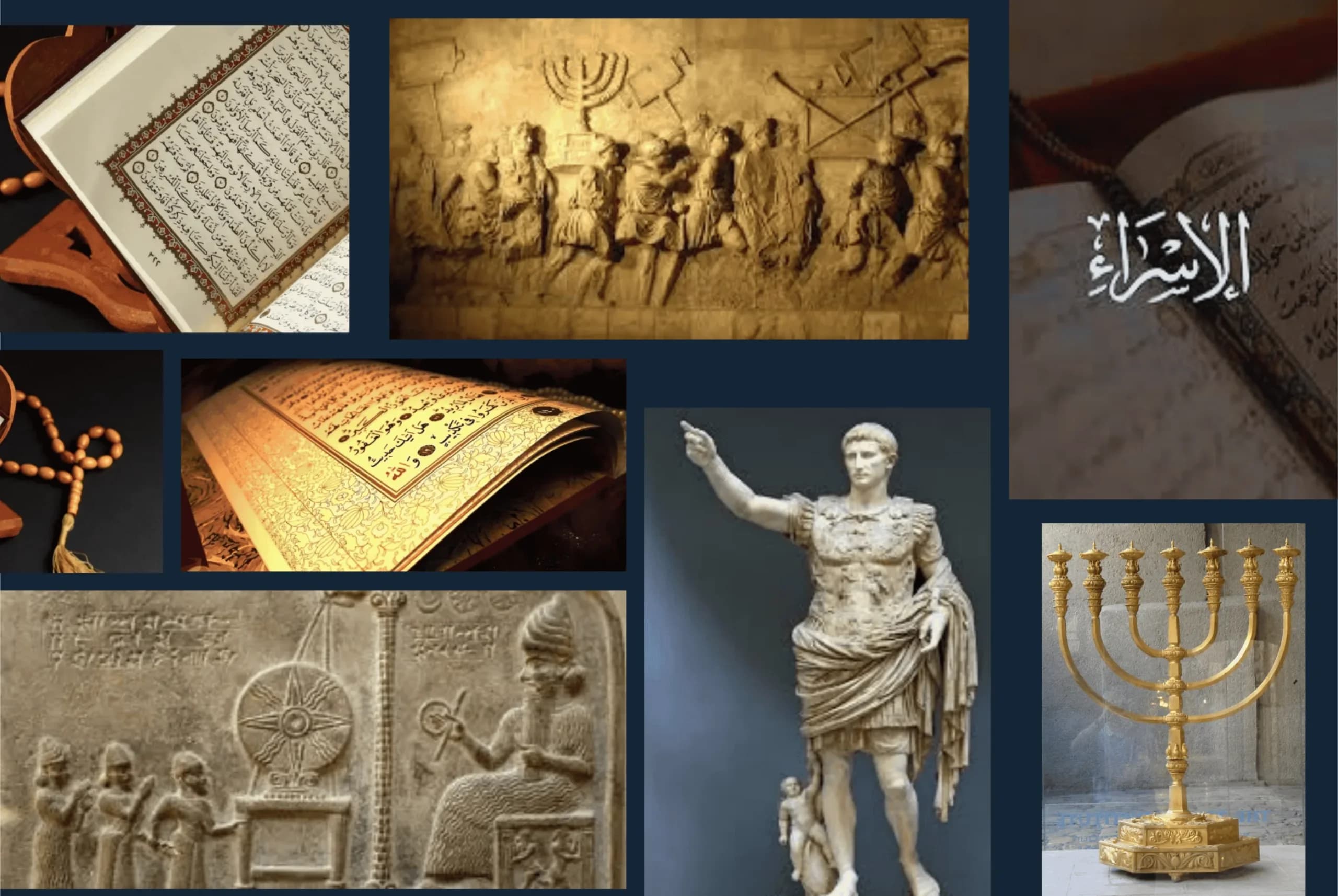
  • Collage of a Qur’an, ancient reliefs, a Roman statue and a menorah

    Analysis

    Surat al-Isra – Fasad and Uluw

    Throughout history, the fall of societies, as much as their rise, has been the result of a socio-political cycle woven from divine laws. The Qur’an expresses this universal principle through the concept of sunnatullah. In the view of the Qur’an, the destiny of societies is shaped not by chance but by the immutable laws of Allah; throughout human history…

    Halit Çokan

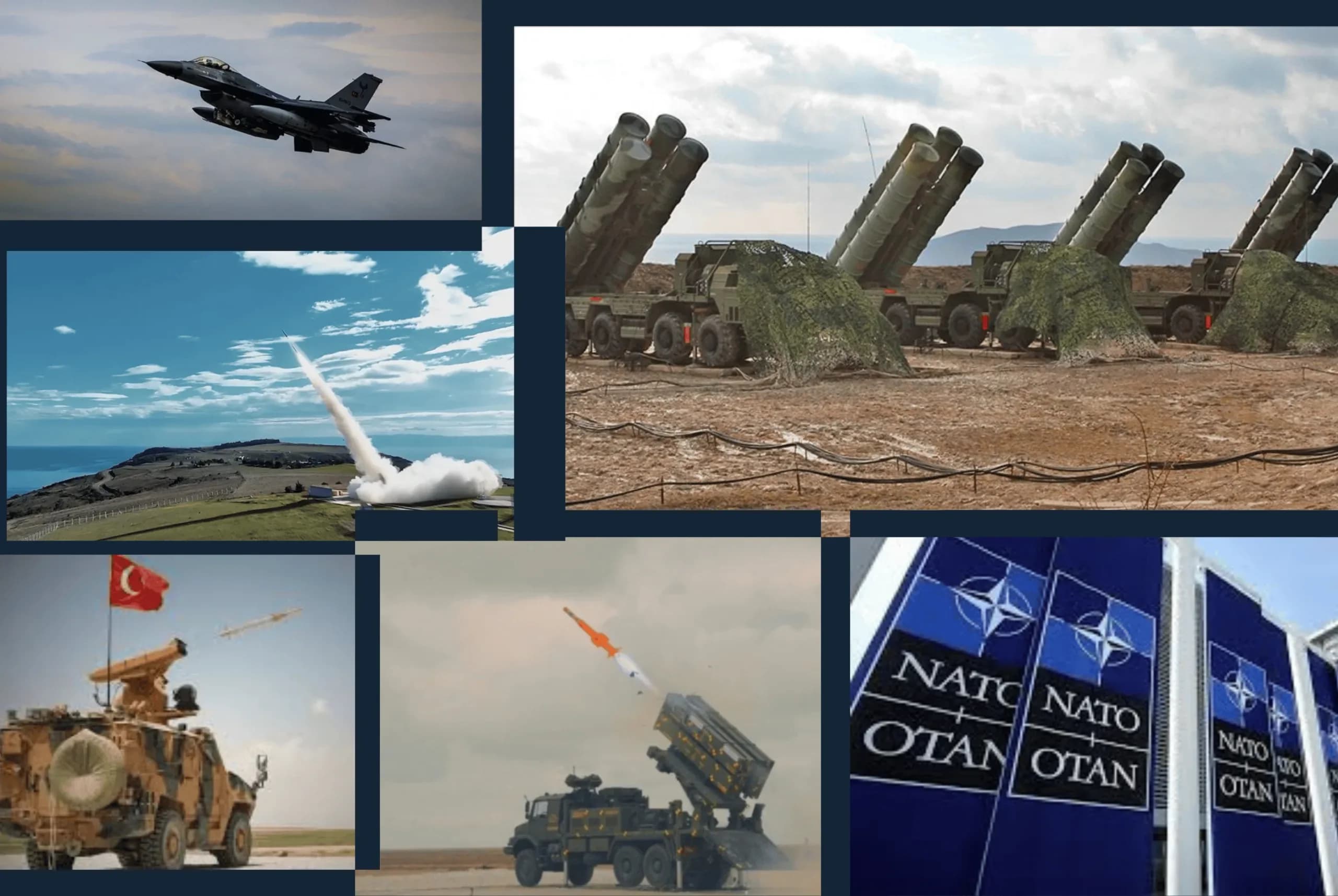
  • Fighter jet, missile launchers, an interceptor launch and NATO flags

    Analysis

    NATO Missile Shield and Its Impact on Turkish Foreign Policy

    The incorporation of missile defence into collective defence at NATO’s 2010 Lisbon Summit and the deployment of the AN/TPY-2 early warning radar at Kürecik, Malatya in 2011 strengthened Türkiye’s role within NATO’s security architecture while at the same time creating a new…

    Dr Kemal Kaya

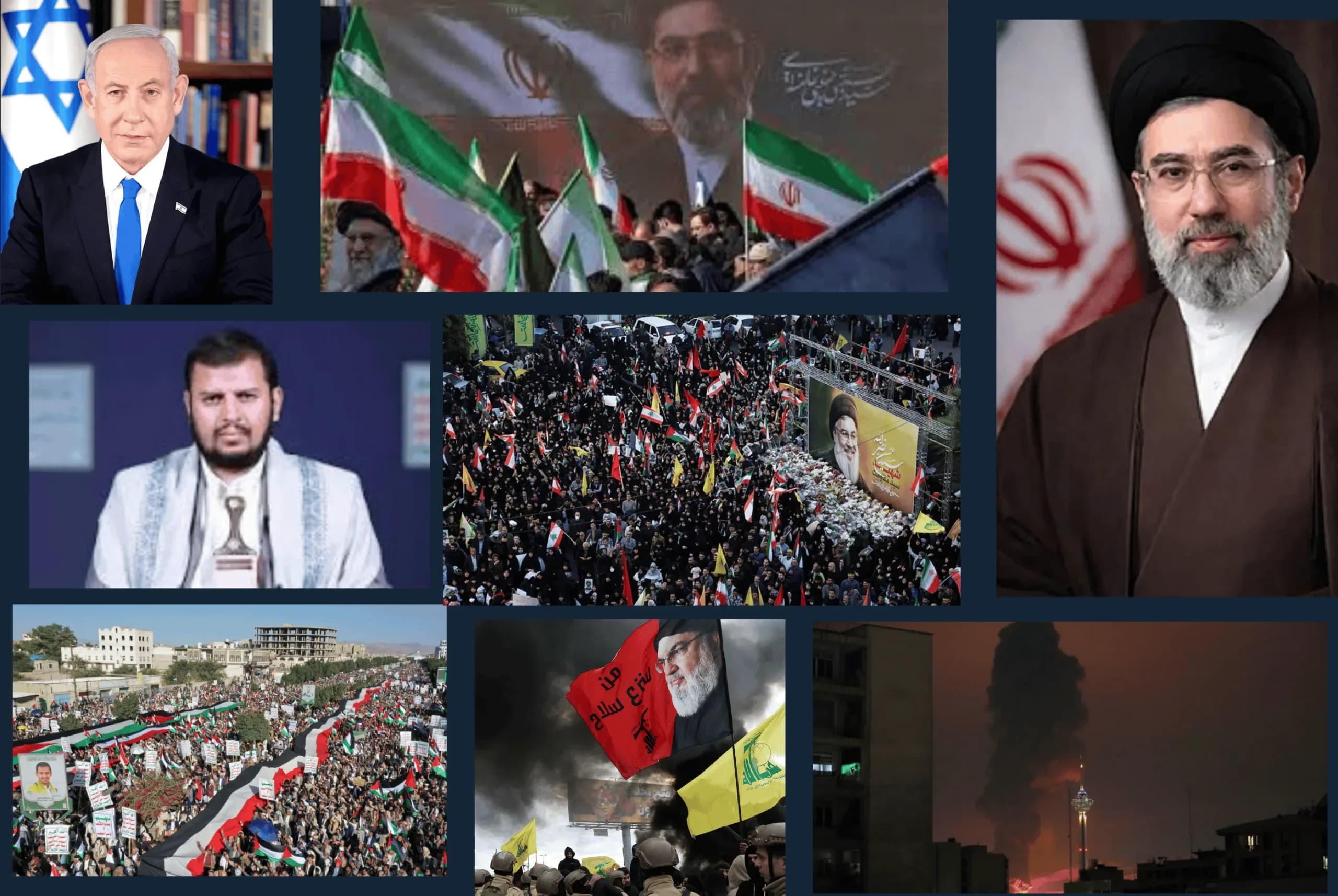
  • Collage of Benjamin Netanyahu, Iranian leaders, the Houthi leader and rallies

    Report

    The US–Israeli War on Iran: Are Lebanese and Yemeni Fronts Possible?

    While US President Trump states on the one hand that they will continue their attacks on Iran, on the other he is imposing an unconditional surrender agreement on Tehran. Iran, for its part, while responding to the attacks, has also announced that it will continue its policy of targeting, in addition to Israel, the Strait of Hormuz and American military bases…

    Prof. Veysel Ayhan

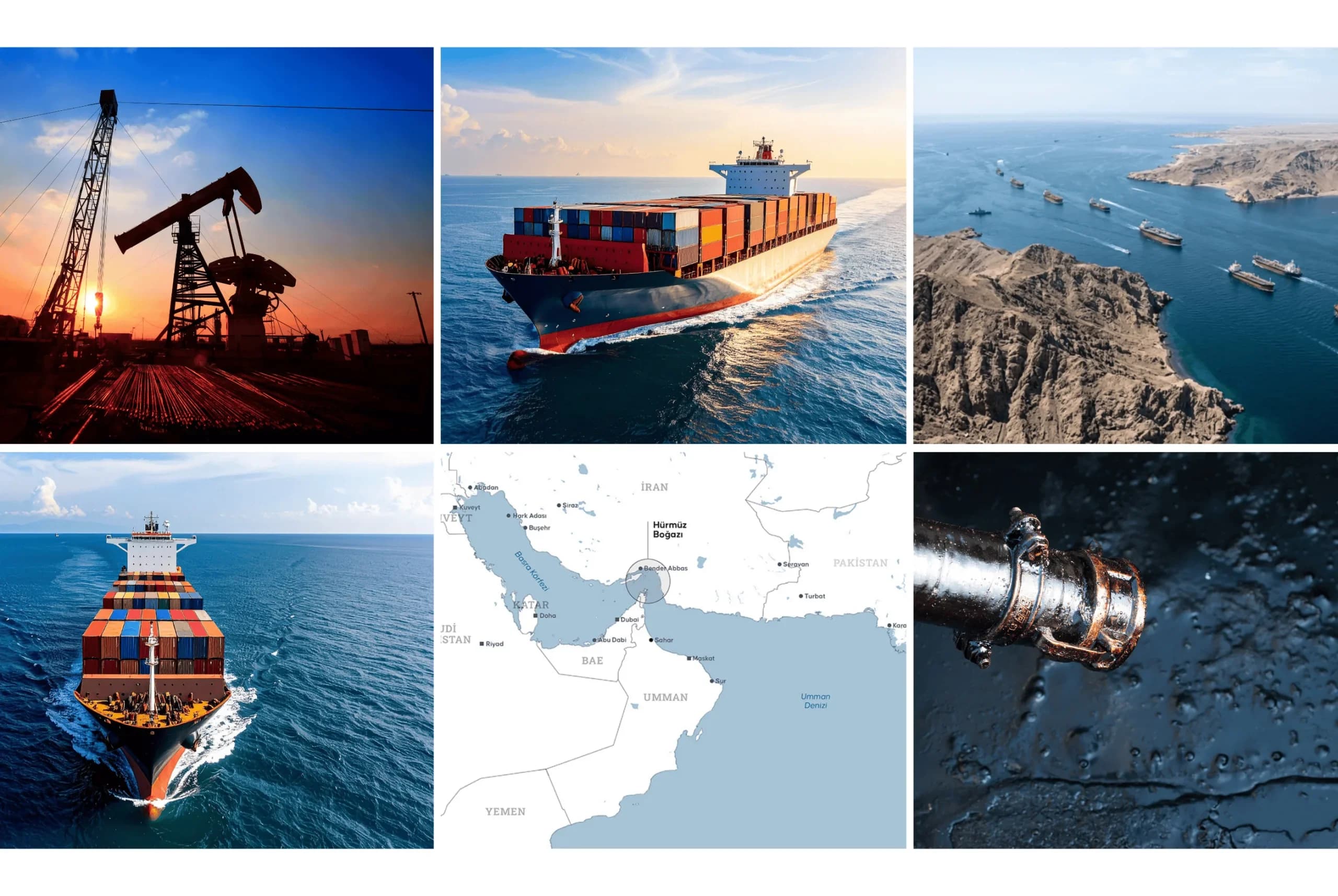
  • Oil rig, container ships, a map of the Strait of Hormuz and a pipeline

    Report

    Oil and Security: The Impact of the Strait of Hormuz Crisis on the Global Oil Market

    The strategic importance of the Strait of Hormuz stems not only from the fact that it carries the exports of regional energy producers but also from its being one of the most critical transit points in the global energy supply chain. Of the oil and liquefied natural gas (LNG) extracted from the Persian Gulf…

    Dr Hakan Demir

SESA Newsletter

Stay informed about our latest publications and events.

When you send the form, your e-mail address is added to the SESA newsletter list and you will receive our newsletter e-mails.