The US–Israeli War on Iran: Are Lebanese and Yemeni Fronts Possible?
1 min read
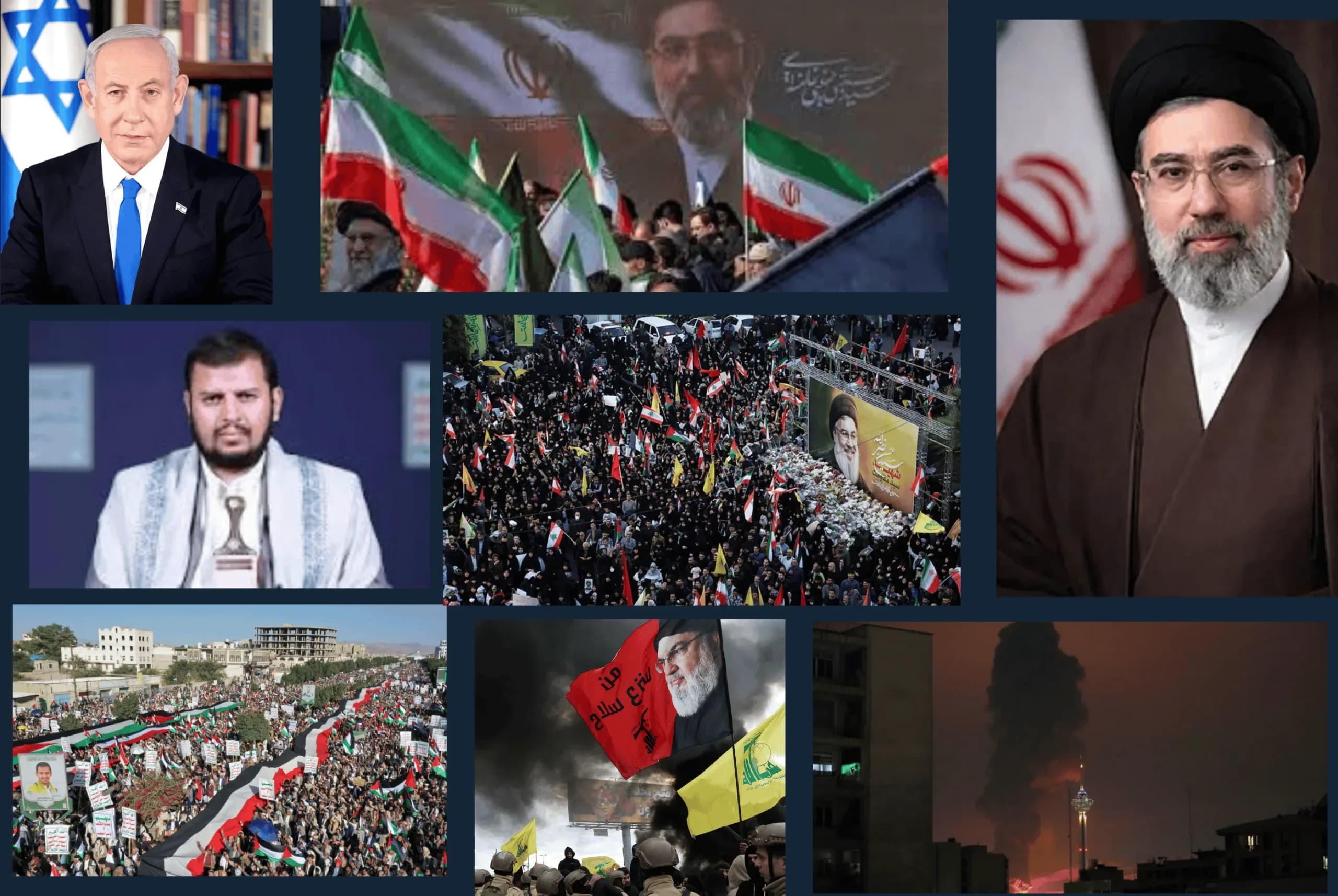
While US President Trump states on the one hand that they will continue their attacks on Iran, on the other he is imposing an unconditional surrender agreement on Tehran. Iran, for its part, while responding to the attacks, has also announced that it will continue its policy of targeting, in addition to Israel, the Strait of Hormuz and American military bases…
SUMMARY
While US President Trump states on the one hand that they will continue their attacks on Iran, on the other he is imposing an unconditional surrender agreement on Tehran. Iran, for its part, while responding to the attacks, has also announced that it will continue its policy of targeting, in addition to Israel, the Strait of Hormuz and American military bases and personnel in the Gulf countries. The Iranian regime regards the US–Israeli attack as an existential attack and is putting all its counter-response strategies into effect accordingly.
Should the scope of the US and Israeli operations against Iran widen, or turn into a strategy aimed directly at regime change, the likelihood of both the Lebanese and the Yemeni fronts opening could increase considerably. It must be borne in mind that in such a scenario the conflict would not remain confined to the US, Israel and Iran, but has the potential to turn into a multi-front regional war encompassing Syria, Iraq and the Red Sea line. The current war should therefore be regarded not merely as an interstate conflict but as a far-reaching rupture that could reshape all the balances, and perhaps the maps, of the Middle East.
Author
Prof. Veysel Ayhan
Director of the SESA Institute
How to cite
Ayhan, V. (2026). The US–Israeli War on Iran: Are Lebanese and Yemeni Fronts Possible? (Report). SESA Institute. https://sesa.org.tr/en/publications/the-us-israeli-war-on-iran-are-lebanese-and-yemeni-fronts-possible
Related publications
Report
Congress and the 2026 Midterm Elections in the US: The President’s Limits under Divided Government
Prof. Cafer Tayyar Arı