NATO Missile Shield and Its Impact on Turkish Foreign Policy
1 min read
The incorporation of missile defence into collective defence at NATO’s 2010 Lisbon Summit and the deployment of the AN/TPY-2 early warning radar at Kürecik, Malatya in 2011 strengthened Türkiye’s role within NATO’s security architecture while at the same time creating a new…
SUMMARY
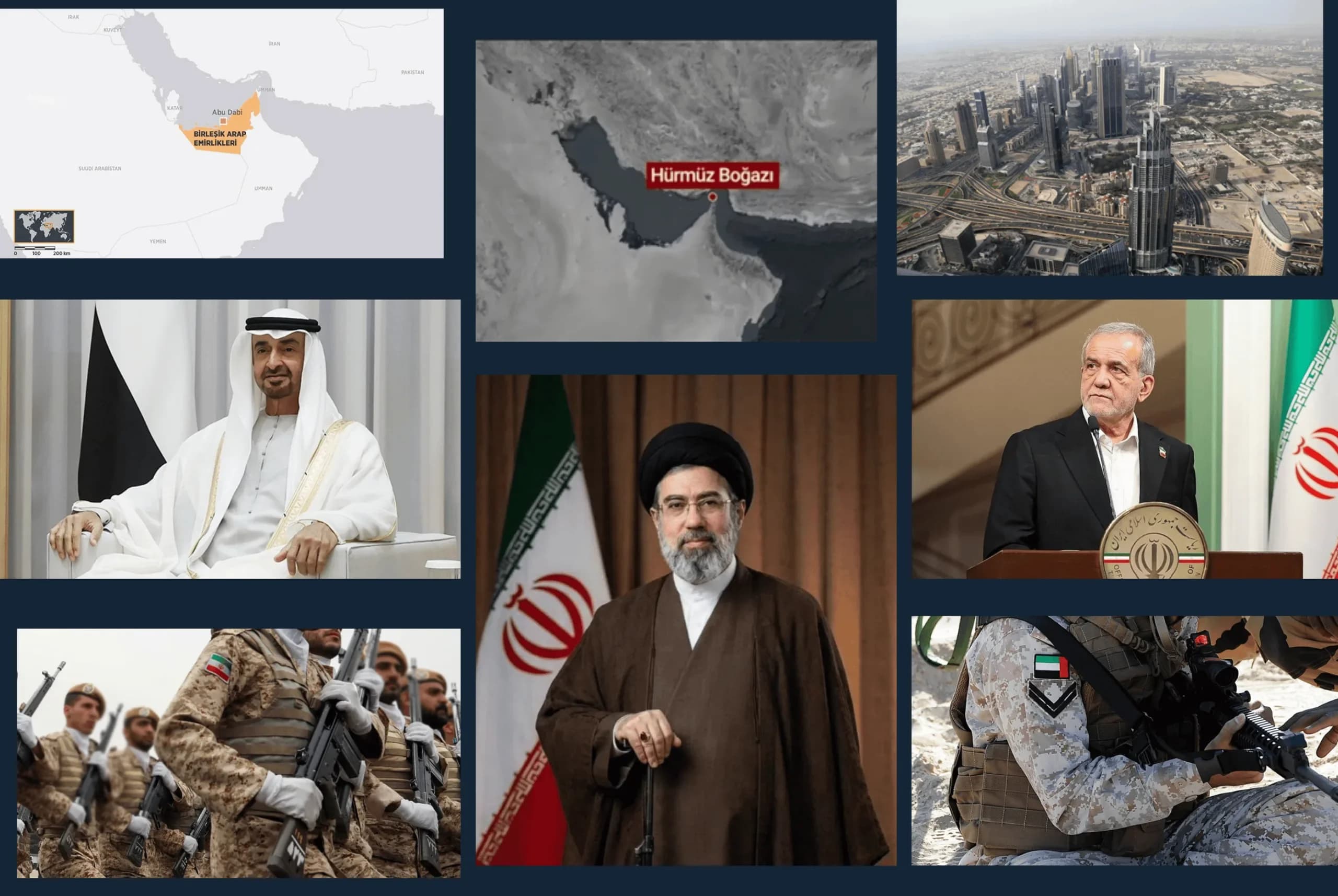
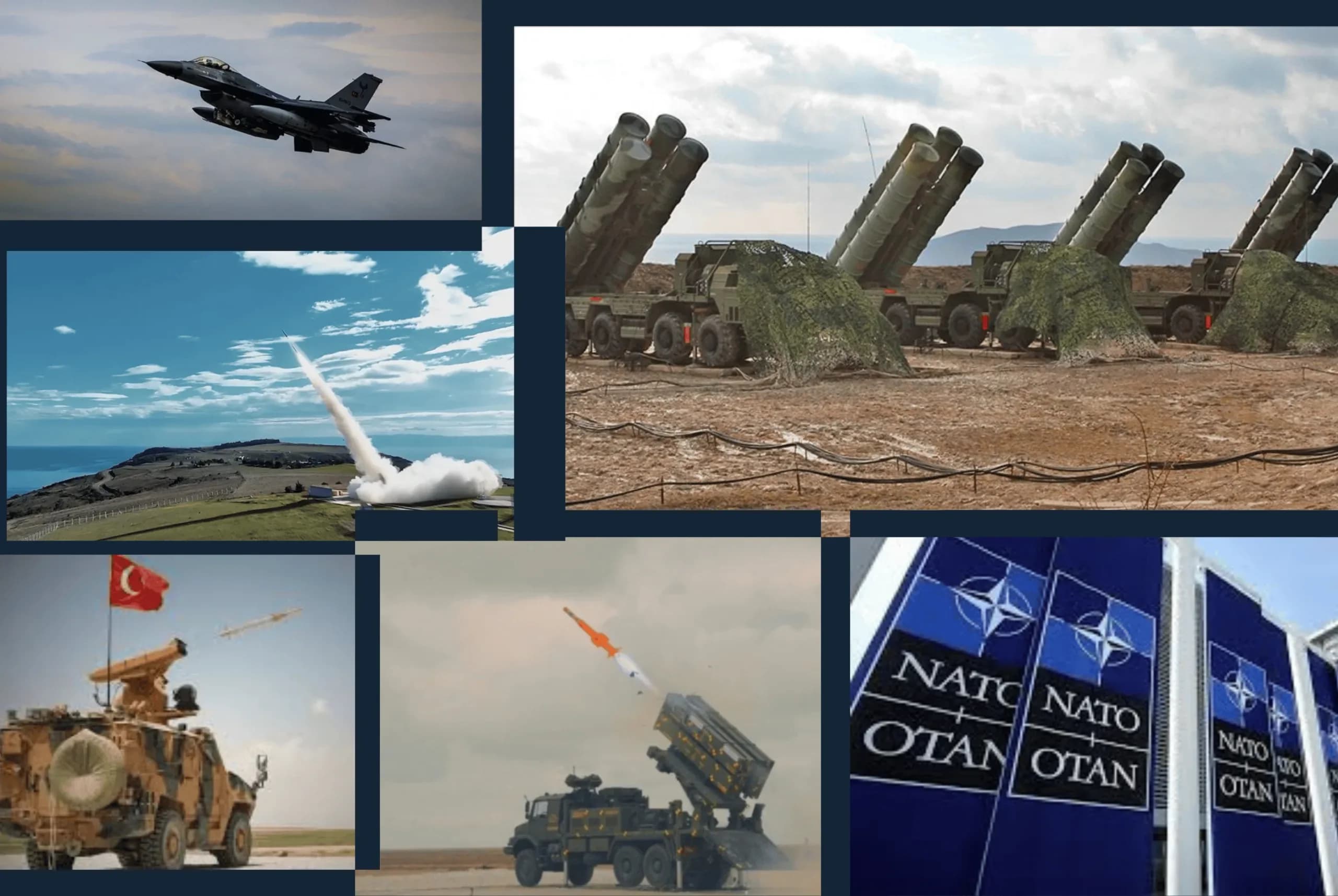
The incorporation of missile defence into collective defence at NATO’s 2010 Lisbon Summit and the deployment of the AN/TPY-2 early warning radar at Kürecik, Malatya in 2011 strengthened Türkiye’s role within NATO’s security architecture while at the same time creating a new area of tension in relations with Iran. The Kürecik radar is still in operation as a critical sensor in NATO’s current ballistic missile defence structure. In March 2026 this network was also seen to function in the detection and interception of Iranian ballistic missiles approaching Türkiye. The state of war in our region shows that missile defence is a multi-layered strategic field encompassing not only deterrence but also radar, early warning, interceptor stocks, network-centric command and control and political alignment.
Author

Dr Kemal Kaya
Director of Security Studies
How to cite
Kaya, K. (2026). NATO Missile Shield and Its Impact on Turkish Foreign Policy (Analysis). SESA Institute. https://sesa.org.tr/en/publications/nato-missile-shield-and-its-impact-on-turkish-foreign-policy