Oil and Security: The Impact of the Strait of Hormuz Crisis on the Global Oil Market
1 min read
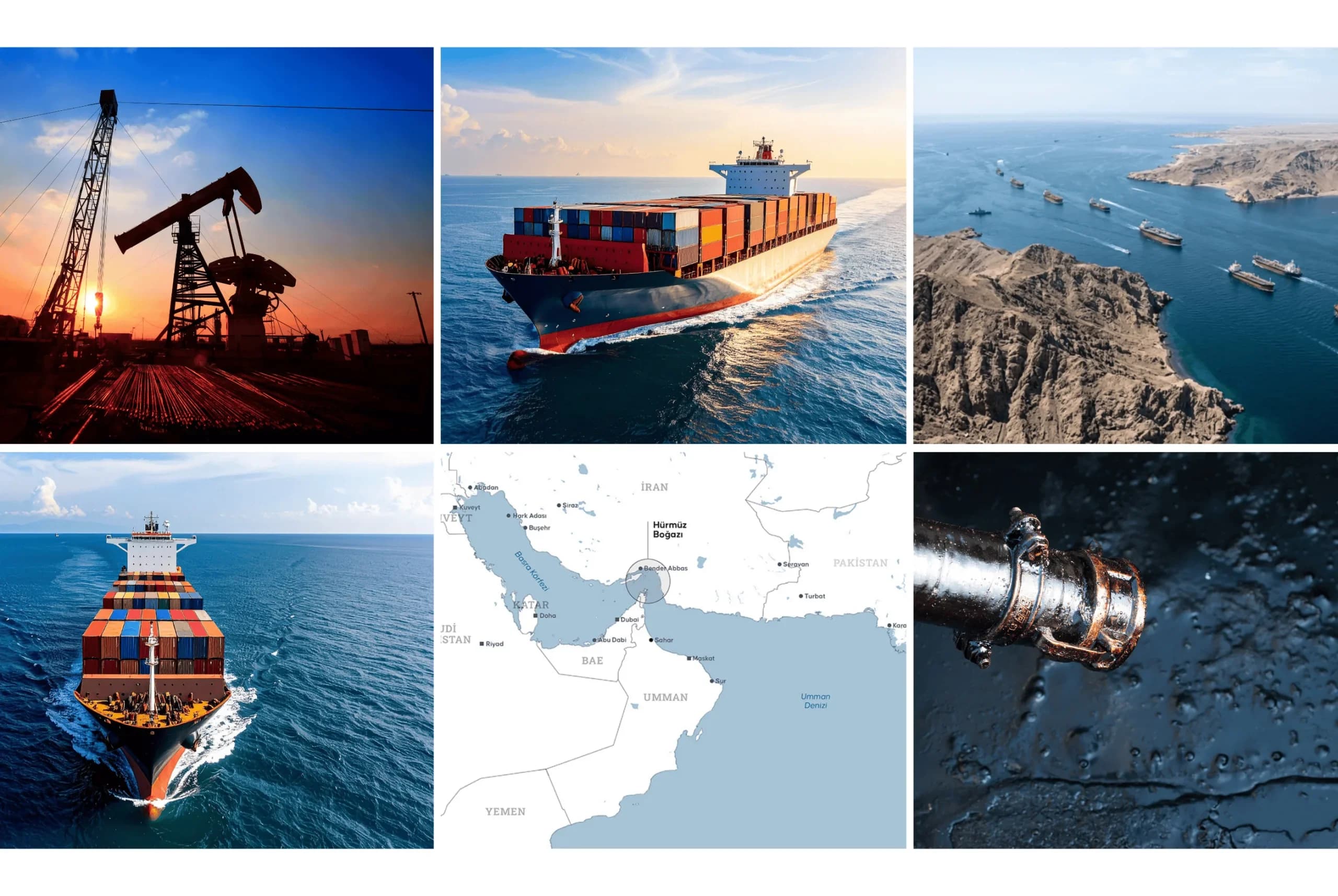
The strategic importance of the Strait of Hormuz stems not only from the fact that it carries the exports of regional energy producers but also from its being one of the most critical transit points in the global energy supply chain. Of the oil and liquefied natural gas (LNG) extracted from the Persian Gulf…
INTRODUCTION
The strategic importance of the Strait of Hormuz stems not only from the fact that it carries the exports of regional energy producers but also from its being one of the most critical transit points in the global energy supply chain. A significant proportion of the oil and liquefied natural gas (LNG) extracted from the Persian Gulf reaches Asia, Europe and global markets through this narrow sea lane. It is very important for consuming countries to have access to energy in a secure and stable manner, with predictable price balances. For this reason, any military tension, security risk or disruption of maritime transport in the strait has the potential to affect directly not only producing countries but also economies dependent on energy imports, above all China, India, Japan and the European countries. It may also lead to budget deficits, particularly in all energy-poor countries. The Strait of Hormuz is therefore a critical “energy chokepoint” for the continuity of global energy trade, and constitutes one of the most concrete examples of the fragile relationship between international security and energy markets.
Author
How to cite
Demir, H. (2026). Oil and Security: The Impact of the Strait of Hormuz Crisis on the Global Oil Market (Report). SESA Institute. https://sesa.org.tr/en/publications/oil-and-security-the-impact-of-the-strait-of-hormuz-crisis-on-the-global-oil-market
Related publications

Report
Congress and the 2026 Midterm Elections in the US: The President’s Limits under Divided Government
Prof. Cafer Tayyar Arı