The Persian Gulf Front of the US–Israel–Iran War: From Regional Crisis to Global Conflict?
2 min read
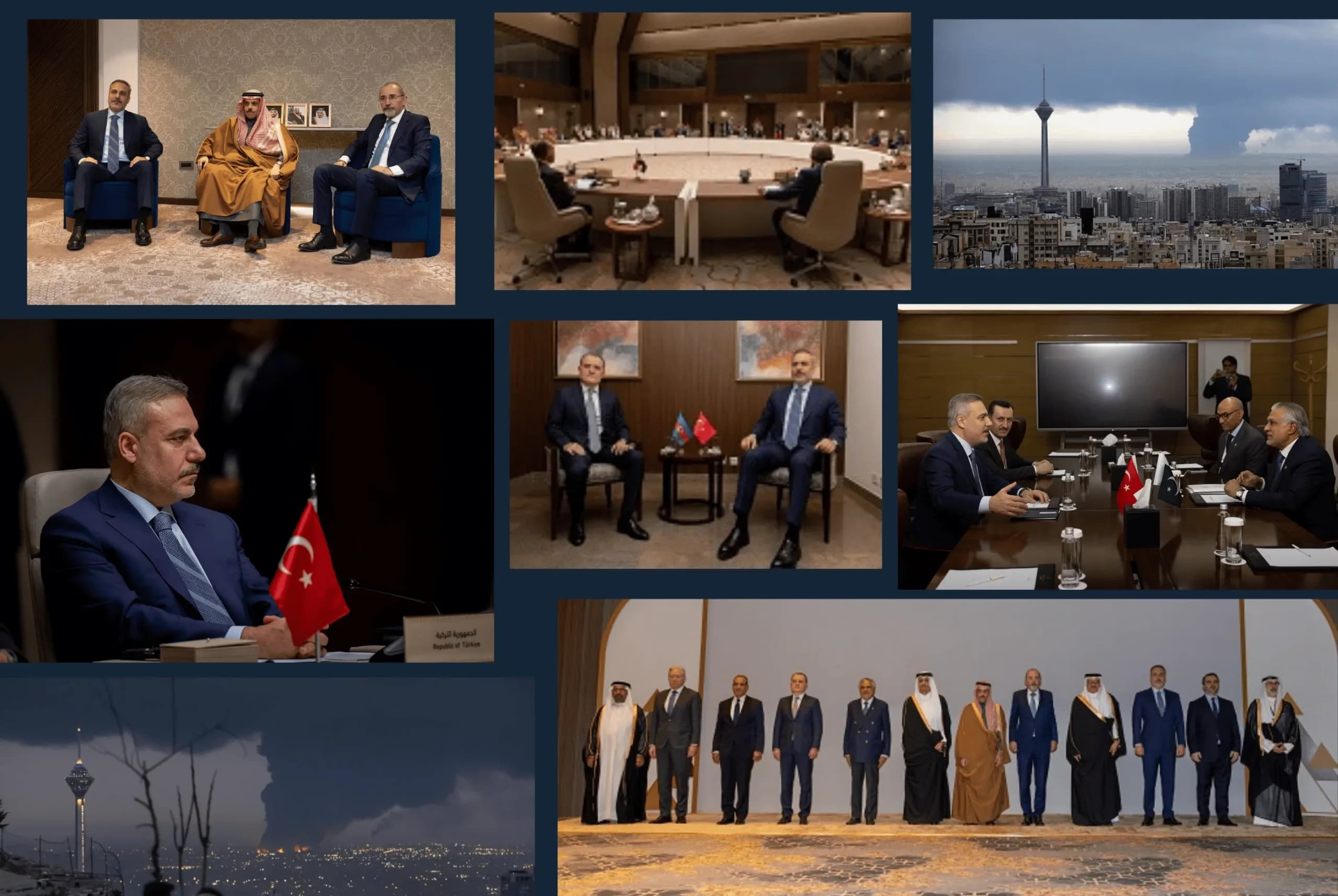
President Recep Tayyip Erdoğan has condemned the recent attacks on the Gulf countries, stating that acts targeting civilians and critical infrastructure are unacceptable. Speaking on a television programme after returning from Riyadh, Foreign Minister Hakan Fidan said that the Gulf countries…
SUMMARY
President Recep Tayyip Erdoğan has condemned the recent attacks on the Gulf countries, stating that acts targeting civilians and critical infrastructure are unacceptable. Speaking on a television programme after returning from Riyadh, Foreign Minister Hakan Fidan said: “The Gulf countries say that if the current situation continues they will be compelled to take countermeasures, and they say: we need to respond to this attack.”
Following the US and Israeli attacks on Iran, Tehran’s counter-attacks on American bases, energy infrastructure and airports in the Persian Gulf countries have once again brought a new dynamic of conflict onto the agenda at global level. In a statement to journalists on Iran’s attacks on the Gulf countries, US President Trump had said: “Nobody expected that. We were shocked.” Mojtaba Khamenei, who was chosen on 8 March as the new Supreme Leader in place of his father despite all US pressure, stressed in his first statements that the continued closure of the Strait of Hormuz should be used as a means of pressure against the enemy. Iran’s missile and drone attacks, directed in particular at the Gulf countries as well as at the Strait of Hormuz, have turned the stability and security of the Persian Gulf countries once again into a central item on the agenda of international relations.
Although Trump’s announcement on 23 March that attacks on energy infrastructure had been halted for 5 days in the context of ongoing talks with Iran may at first sight be regarded as a step towards de-escalation, given Trump’s constantly changing and unpredictable decisions it is difficult to say that this announcement provides a lasting and secure basis. On the other hand, should a possible US–Iran agreement contain no monitoring or restrictions on Iran’s missile and ballistic capacity, it would be very difficult for the Gulf countries to accept it. For while Iran’s recent attacks have shown that these countries are not untouchable, they have also shown that regional stability and prosperity are shaped in the shadow of Tehran’s military capacity.
This study first focuses on the political, social and economic structures of the Persian Gulf countries, with a view to a better understanding of them, and then analyses the Gulf Front of the war. The Lebanese and Yemeni Fronts of the war were analysed in earlier reports also published by the SESA Institute. This 3rd Report analyses the Gulf region, which constitutes the most critical front of the war, with the aim of contributing to a better understanding of the insecurity and instability produced by the conflict.
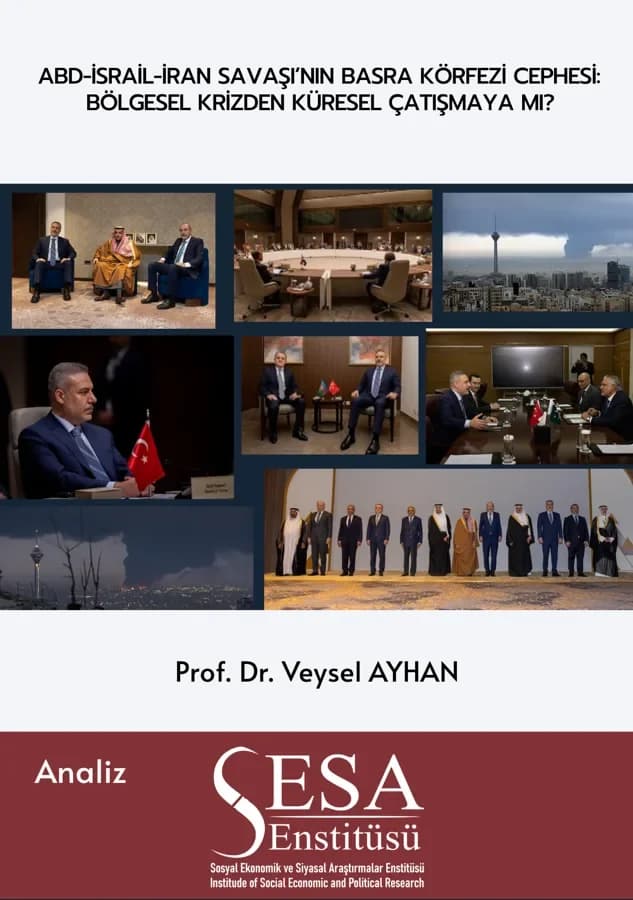
Author

Prof. Veysel Ayhan
Director of the SESA Institute
How to cite
Ayhan, V. (2026). The Persian Gulf Front of the US–Israel–Iran War: From Regional Crisis to Global Conflict? (Analysis). SESA Institute. https://sesa.org.tr/en/publications/the-persian-gulf-front-of-the-us-israel-iran-war-from-regional-crisis-to-global-conflict
Related publications
Report
Congress and the 2026 Midterm Elections in the US: The President’s Limits under Divided Government
Prof. Cafer Tayyar Arı