
Congress and the 2026 Midterm Elections in the US: The President’s Limits under Divided Government
1 min read
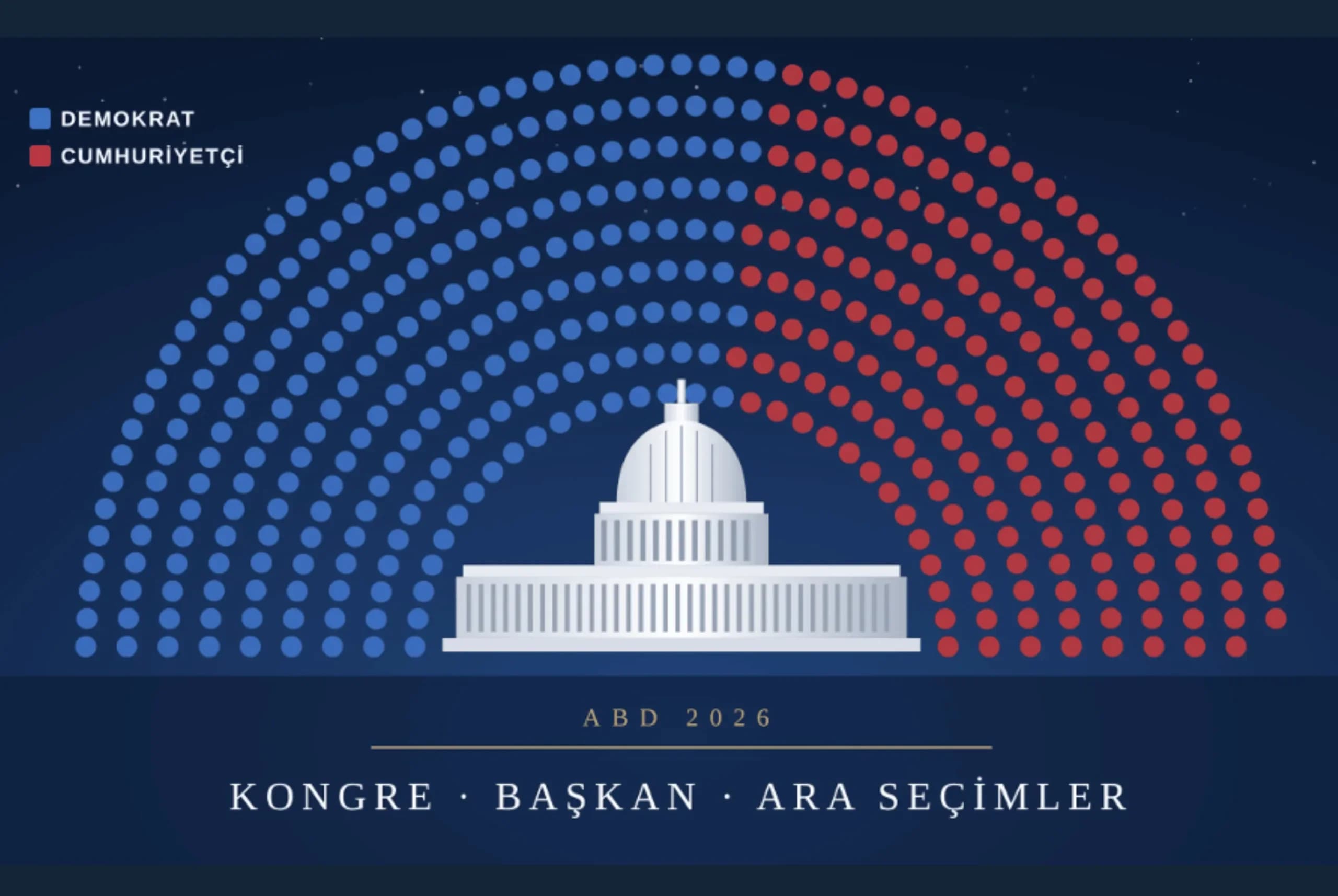
In the midterm elections held on 3 November 2026, whose results became clear on 4 November, the Democratic Party won a majority in both the House of Representatives and the Senate. Republican President Donald Trump will thus enter the last two years of his term with a Congress in which both chambers of the legislature are controlled by the opposition…
SUMMARY
In the midterm elections held on 3 November 2026, whose results became clear on 4 November, the Democratic Party won a majority in both the House of Representatives and the Senate. Republican President Donald Trump will thus enter the last two years of his term with a Congress in which both chambers of the legislature are controlled by the opposition. This report first sets out the structure of the two chambers of Congress, their bases of representation, their electoral arrangements and their constitutional powers. It then assesses the election results within this institutional framework and examines the areas in which the President may face difficulties in the new period. These areas are the legislative agenda and the veto, the budget, appointments, treaties and war powers, congressional oversight and impeachment. The report’s central finding is that, in the American presidential system, losing the congressional majority changes not the President’s office but the scope within which its powers are exercised. The President will continue to exercise executive authority, but the room for manoeuvre in terms of legislation, resources and personnel will narrow markedly.
Author
How to cite
Arı, C. T. (2026). Congress and the 2026 Midterm Elections in the US: The President’s Limits under Divided Government (Report). SESA Institute. https://sesa.org.tr/en/publications/congress-and-the-2026-midterm-elections-in-the-us-the-presidents-limits-under-divided-government
Related publications
Analysis
The Persian Gulf Front of the US–Israel–Iran War: From Regional Crisis to Global Conflict?
Prof. Veysel Ayhan