
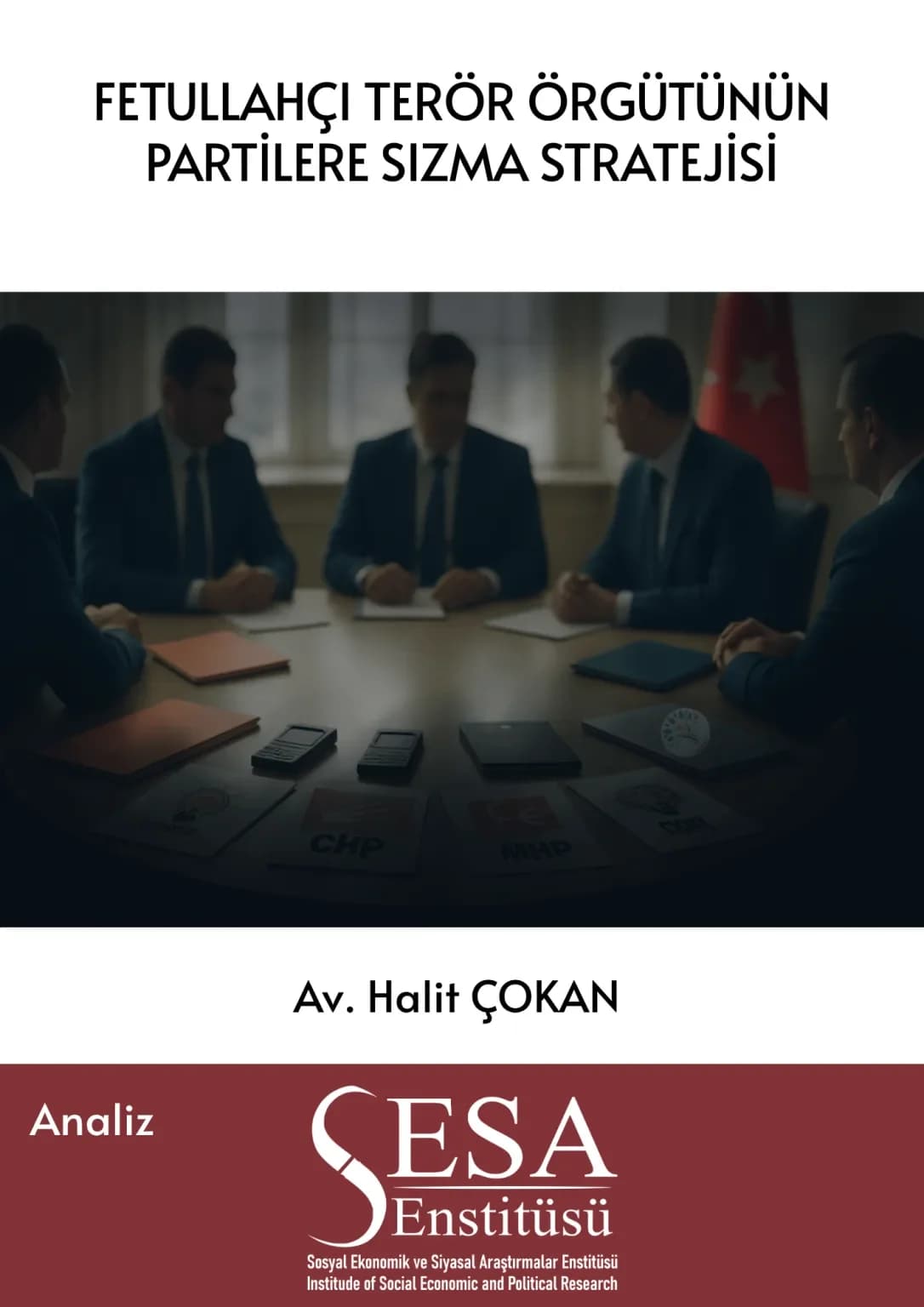
The Fetullah Terrorist Organisation’s Strategy of Infiltrating Political Parties
2 min read

Through projections and planning for the future made decades in advance, the Fetullah Terrorist Organisation aimed to infiltrate the finest capillaries of the state. In line with this aim, the organisation turned in particular to the state bureaucracy and attached special importance to the military bureaucracy. To achieve this aim…
Introduction
Through projections and planning for the future made decades in advance, the Fetullah Terrorist Organisation aimed to infiltrate the finest capillaries of the state. In line with this aim, the organisation turned in particular to the state bureaucracy and attached special importance to the military bureaucracy. To achieve this aim, it devised fraudulent methods that stretched the bounds of imagination and put them systematically into practice.
In the process of infiltrating the civil and military bureaucracy, the organisation made it a priority to encounter no obstacles. For this reason, particularly in the early stages, it carefully kept its distance from current and heated political debates. The organisation does, of course, have its own distinctive and continuous political strategy, for it is inconceivable that a structure whose ultimate aim is to seize the state, a political institution, should lack a distinctive political strategy. The point being emphasised here, however, is that the organisation did not act as part of any political party and deliberately avoided any appearance of political partisanship. Through this strategy the organisation aimed to avoid the disadvantages that identification with a political party would bring. Had it identified itself with a particular political structure, it would probably have been exposed to the reaction of opposing or other political actors, and its organisation through stealthy infiltration of state institutions would consequently have been disrupted. In order not to suffer such a setback, the organisation chose to keep away from heated and polarised political ground.
As it gathered strength over time, however, the organisation relaxed this strategy and, at different times, established tacit or partial alliances with different political parties. In doing so it acted with the utmost caution and took particular care that this cooperation should not come to light. It can be said that there were two main reasons for the organisation’s periodic tacit alliances with different political structures. The first was to avoid losing its base to the political party it supported, that is, to prevent its members from becoming engaged with that party and being absorbed into it. The second was to stay close to various parties as the times and circumstances required, giving the impression that it could cooperate with each of them, and thereby to put into practice an “open door” strategy. In this way the organisation both prevented its base from surrendering to a particular political line and largely forestalled other political parties from taking a firm and sharp stand against it. It is also an undeniable fact that it achieved considerable success with this strategy.
Author
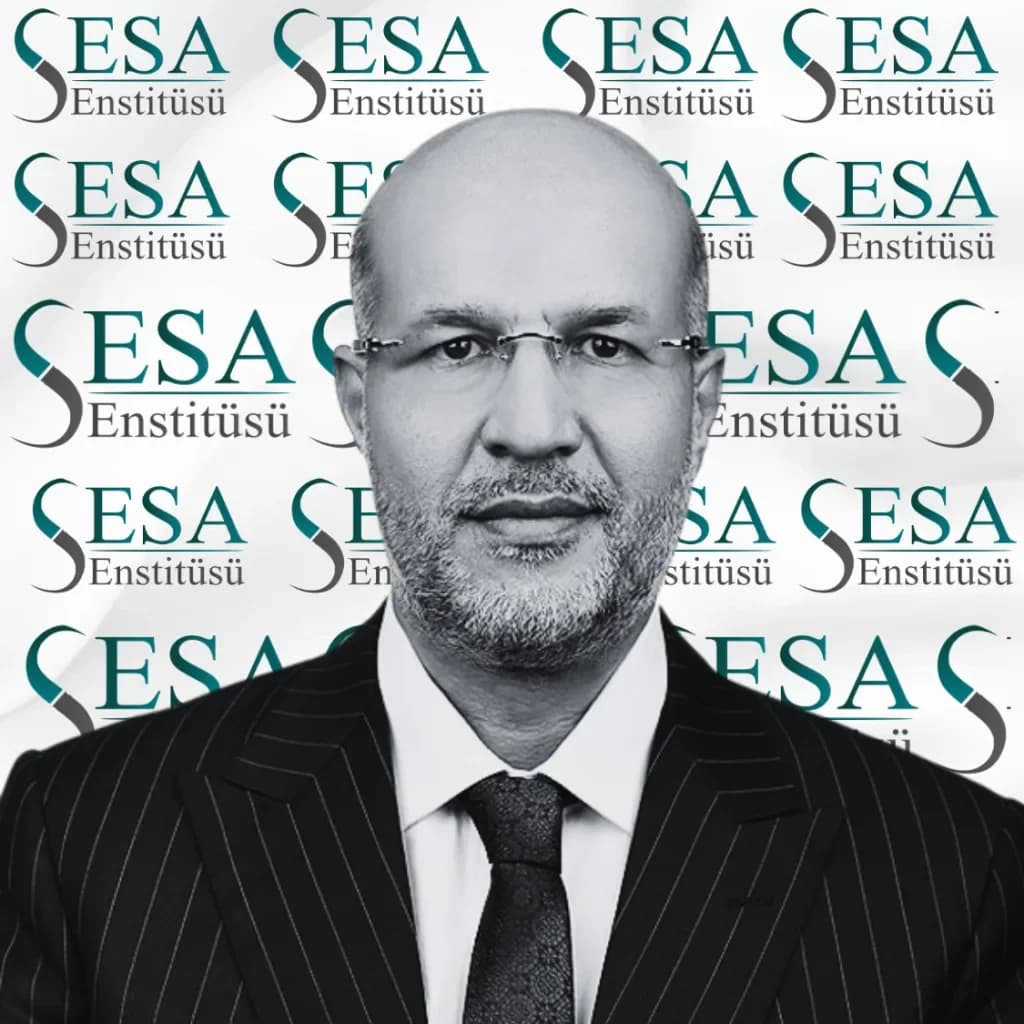
Halit Çokan
Director of Islamic Studies
How to cite
Çokan, H. (2025). The Fetullah Terrorist Organisation’s Strategy of Infiltrating Political Parties (Analysis). SESA Institute. https://sesa.org.tr/en/publications/the-fetullah-terrorist-organisations-strategy-of-infiltrating-political-parties