The Ethics of Solomonic Power
1 min read
Throughout history, power has been both humanity’s test and its mirror. Every hand that power has touched has either illuminated a truth or legitimised an injustice. That is why the Qur’an presents prophets, not kings, as the representatives of sovereignty; for when power is left unlimited in human hands, it overflows divine…
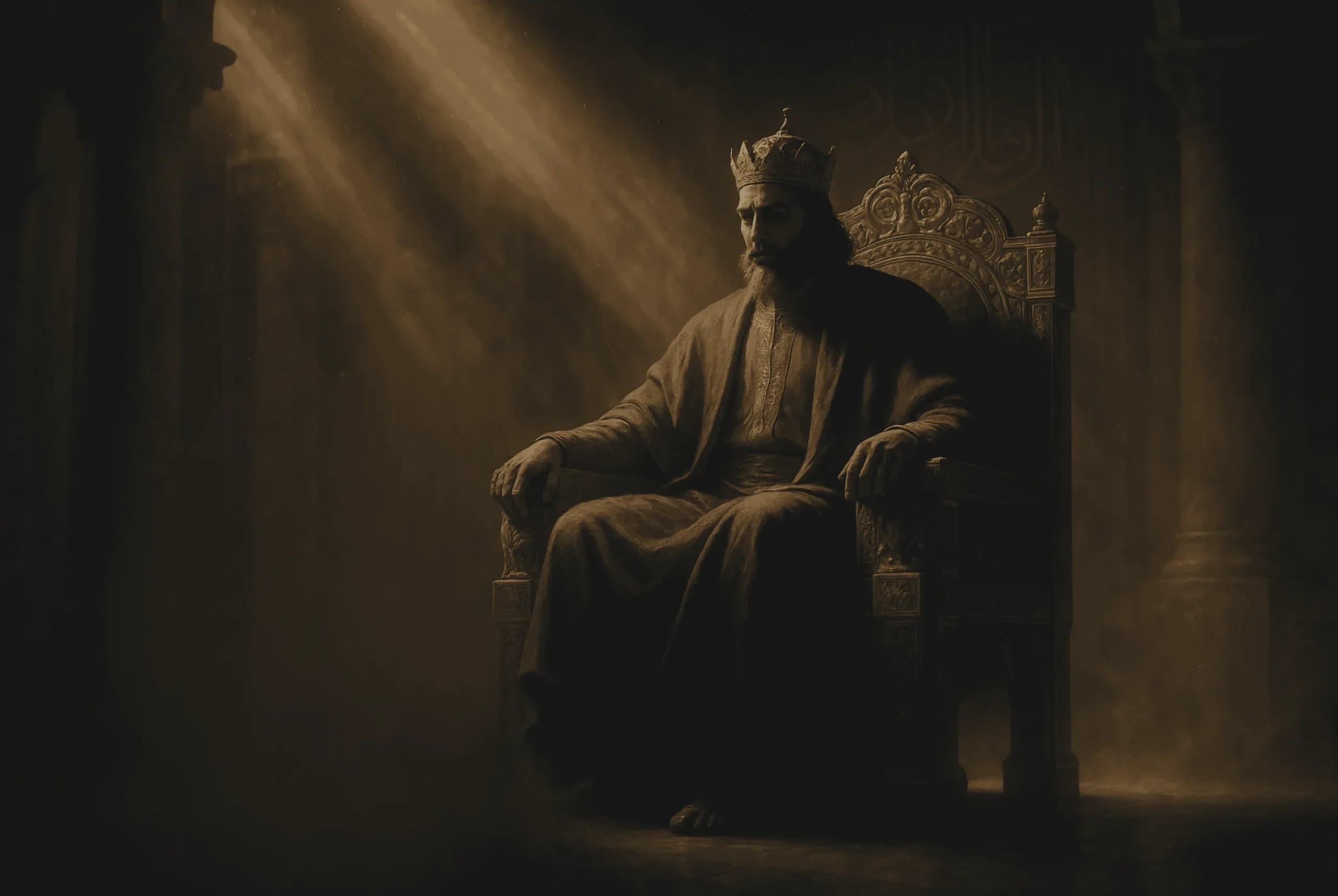
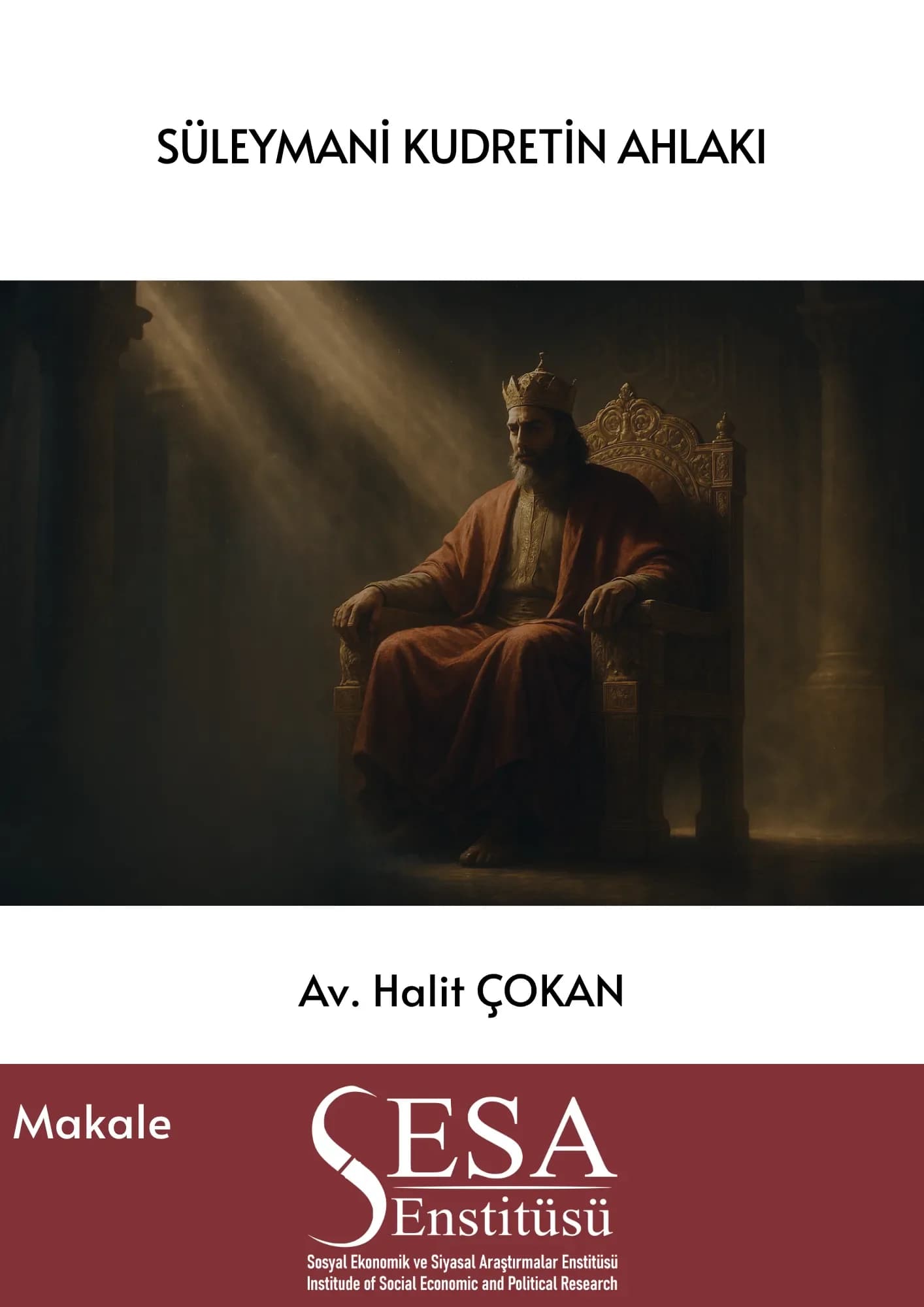
Throughout history, power has been both humanity’s test and its mirror. Every hand that power has touched has either illuminated a truth or legitimised an injustice. That is why the Qur’an presents prophets, not kings, as the representatives of sovereignty; for when power is left unlimited in human hands, it overflows divine bounds and becomes Satan’s playground. Satan’s real trick is not to call people openly to evil, but to make them believe that they can produce good by their own power. It is precisely here that the example of the Prophet Solomon stands as a turning point; the Prophet Solomon represents not the pride that comes with power but the responsibility that comes with it. The Qur’an presents the Prophet Solomon not only through his dominion but as a prophet who balanced his power with ethics. His command over the wind, the jinn and the devils represents far more than the taming of the external world: the conquest of the inner world. For the most dangerous frontier of power is one’s own self. Whoever cannot rein in arrogance surrenders every opportunity that comes into their hands to Satan. But Solomon, saying, “This is my Lord’s test of me: will I be grateful or ungrateful?” (al-Naml, 27/40), turned power not into pride but into a test.
Author
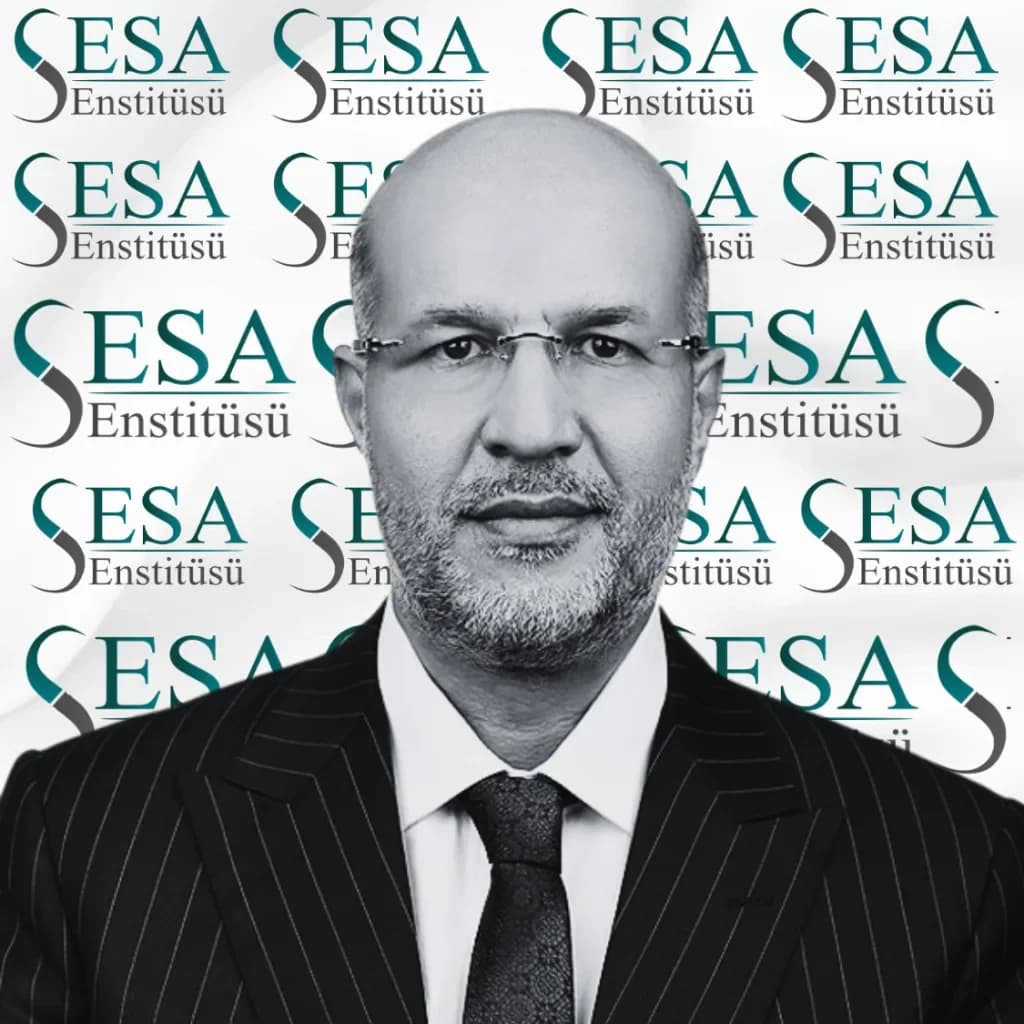
Halit Çokan
Director of Islamic Studies
How to cite
Çokan, H. (2025). The Ethics of Solomonic Power (Article). SESA Institute. https://sesa.org.tr/en/publications/the-ethics-of-solomonic-power