Israel’s Regional Objectives after the Neutralisation of Iran: A Brief Strategic Reading
4 min read
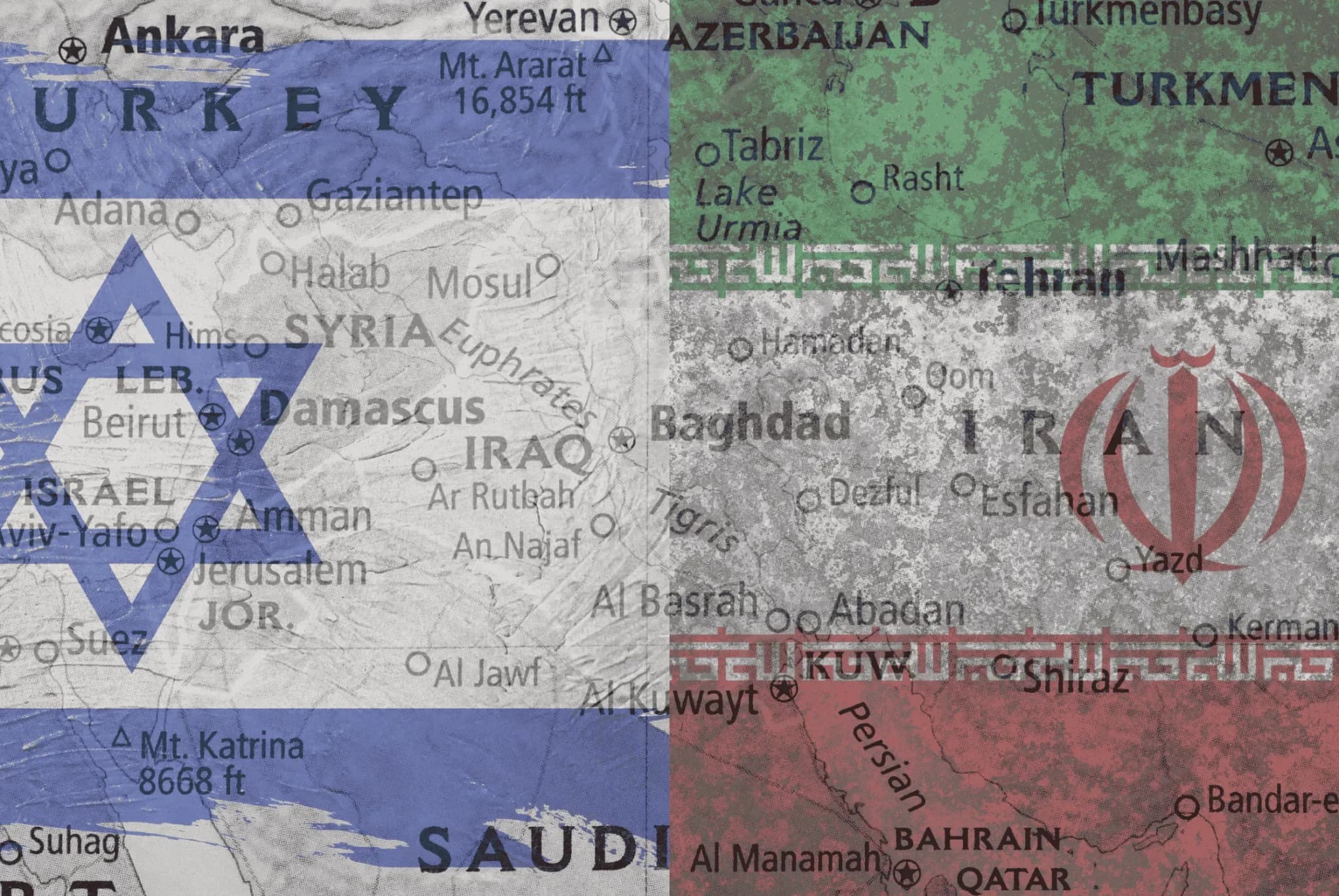
Over the past few decades, Iran was at the centre of Israel’s regional policies; Tel Aviv made intensive efforts to break Iran’s influence and to limit the axis of resistance it supports. With the shift in the regional balance of power and the emergence of new challenges, however, Israel has moved beyond a strategy focused solely on Iran…
Over the past few decades, Iran was at the centre of Israel’s regional policies; Tel Aviv made intensive efforts to break Iran’s influence and to limit the axis of resistance it supports. With the shift in the regional balance of power and the emergence of new challenges, however, Israel has moved beyond a strategy focused solely on Iran and set comprehensive objectives aimed at reshaping the regional system. These objectives include the restructuring of the Palestinian question, targeting Jordan’s role in regional politics and demography, countering Türkiye’s rising military and political power, limiting Pakistan’s nuclear capacity and building a new regional leadership along economic and security axes. This Israeli strategy is not limited to the use of military force; encompassing a variety of instruments such as diplomatic alliances, economic relations and media operations, it is fundamentally changing the regional security paradigm. However, the regional resistance, international pressure and dynamic geopolitical conditions that will be encountered in implementing these strategic objectives require Israel to revise its plans continually.
1. Re-engineering the Palestinian Question and the Sinai Project:
As part of its strategy of resolving the Palestinian cause once and for all, Israel is developing plans aimed in particular at changing the geographical and demographic structure of the Gaza Strip. In this context, the idea of shifting the population of Gaza to the Sinai Peninsula is being supported by encouraging forced migration through military operations, blockade and humanitarian crises. Behind the project lies the desire to guarantee Israel’s security by neutralising Gaza. Although the Egyptian administration officially rejects these plans, the idea persists in the international arena as an agenda supported or discussed by certain Western actors. It is also argued that international aid delivered in the name of “reconstruction” projects prepares the ground for indirect population movements.
2. The Use of Jordan as an “Alternative Homeland” and Regional Political Manipulation:
While stepping up settlement activity in the West Bank, Israel is seeking to reduce the international support for and legitimacy of the Palestinian administration. In this context, Jordan is presented as an “alternative homeland” for the Palestinian people, and indirect interventions are being made, particularly in Jordan’s sensitive demographic balance and political structure. Water resources, border controls and, in particular, the Hashemite custodianship of the holy sites in Jerusalem are being used as instruments for Israel to control Jordan and increase its influence. This strategy aims to change the demographic structure of the region in Israel’s favour and to make the irresolution of the Palestinian question permanent.
3. Limiting the Military and Political Power of a Rising Türkiye:
Türkiye’s regional policies, in particular its active support for Jerusalem and Gaza, its geostrategic moves in the Eastern Mediterranean and its expanding influence in the Horn of Africa, are perceived by Israel as a potential threat. In this context, Israel is forming a counter-bloc that includes Greece, Southern Cyprus and at times Egypt, and aims to contain Türkiye through regional diplomacy and media instruments. Türkiye’s NATO membership and regional military capacity are regarded as an important factor that shifts the balance, despite Israel’s direct opposition. Israel is also employing various tactics aimed at weakening Türkiye’s influence through proxy groups and political actors in the region.
4. Weakening Pakistan’s Nuclear Power and Regional Security Dynamics:
Pakistan’s nuclear programme has long been a source of existential concern for Israel. In particular, the risk of this technology passing to radical groups or regional rivals has led Israel to engage in close intelligence cooperation with India. Israel is developing strategies aimed at limiting Pakistan’s military capacity and turning the regional balance of power in its favour. These strategies have not only military but also economic and diplomatic dimensions.
5. Regional Leadership and the Building of a New Geopolitical Structure:
Israel is seeking to attain a position of regional leadership by establishing security and economic networks between the Gulf countries and the Levant, particularly within the framework of the “Abraham Accords”. In this context, the removal of the Palestinian question from the main agenda of Arab–Israeli relations is increasing Israel’s diplomatic legitimacy and preparing the ground for the strengthening of a Washington-backed axis. This new system functions as a balancing mechanism aimed at reducing the influence of powers such as Iran, Syria and Hezbollah in Lebanon. Regional agreements on energy, technology and intelligence sharing further consolidate Israel’s role.
These strategic objectives are radically changing Israel’s regional security paradigm and shaping its vision of long-term stability and dominance. Israel’s multi-layered strategic objectives aim to rebuild the regional security paradigm and to secure long-term geopolitical supremacy. The changing of Gaza’s demographic structure, the positioning of Jordan as an “alternative homeland”, the limiting of the influence of actors such as Türkiye and Pakistan, and the new regional axis established through the Abraham Accords form the main pillars of this effort. The feasibility of these strategies, however, is constantly being tested by regional resistance, international pressure, societal reactions and rapidly changing geopolitical conditions. The distance between Israel’s objectives and the reality on the ground directly affects the sustainability of these policies and the prospects for regional peace.
Note: This article was first published here.
Author

How to cite
Sağlam, G. Y. (2025). Israel’s Regional Objectives after the Neutralisation of Iran: A Brief Strategic Reading (Analysis). SESA Institute. https://sesa.org.tr/en/publications/israels-regional-objectives-after-the-neutralisation-of-iran-a-brief-strategic-reading