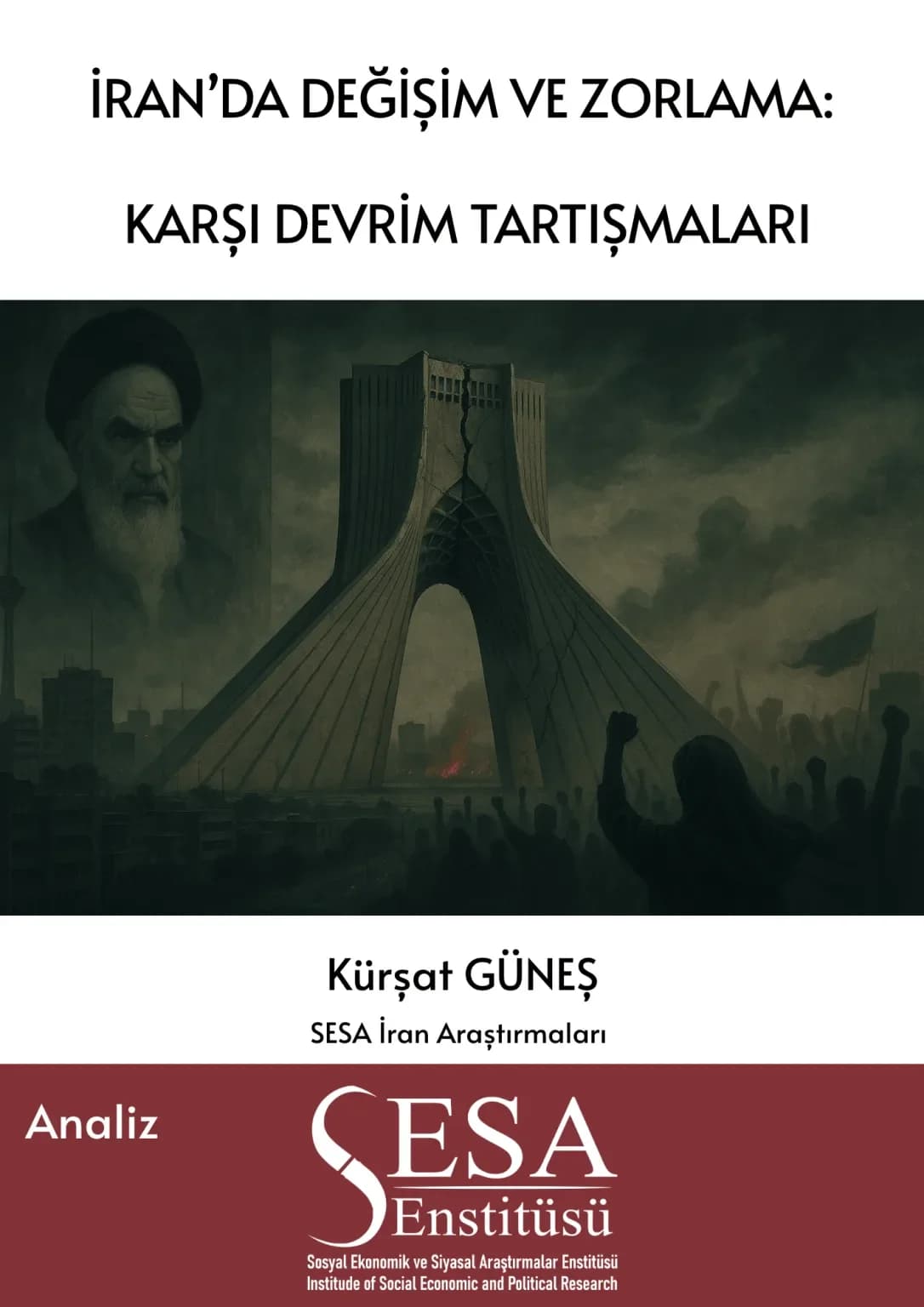
Change and Coercion in Iran: Debates on Counter-Revolution
2 min read
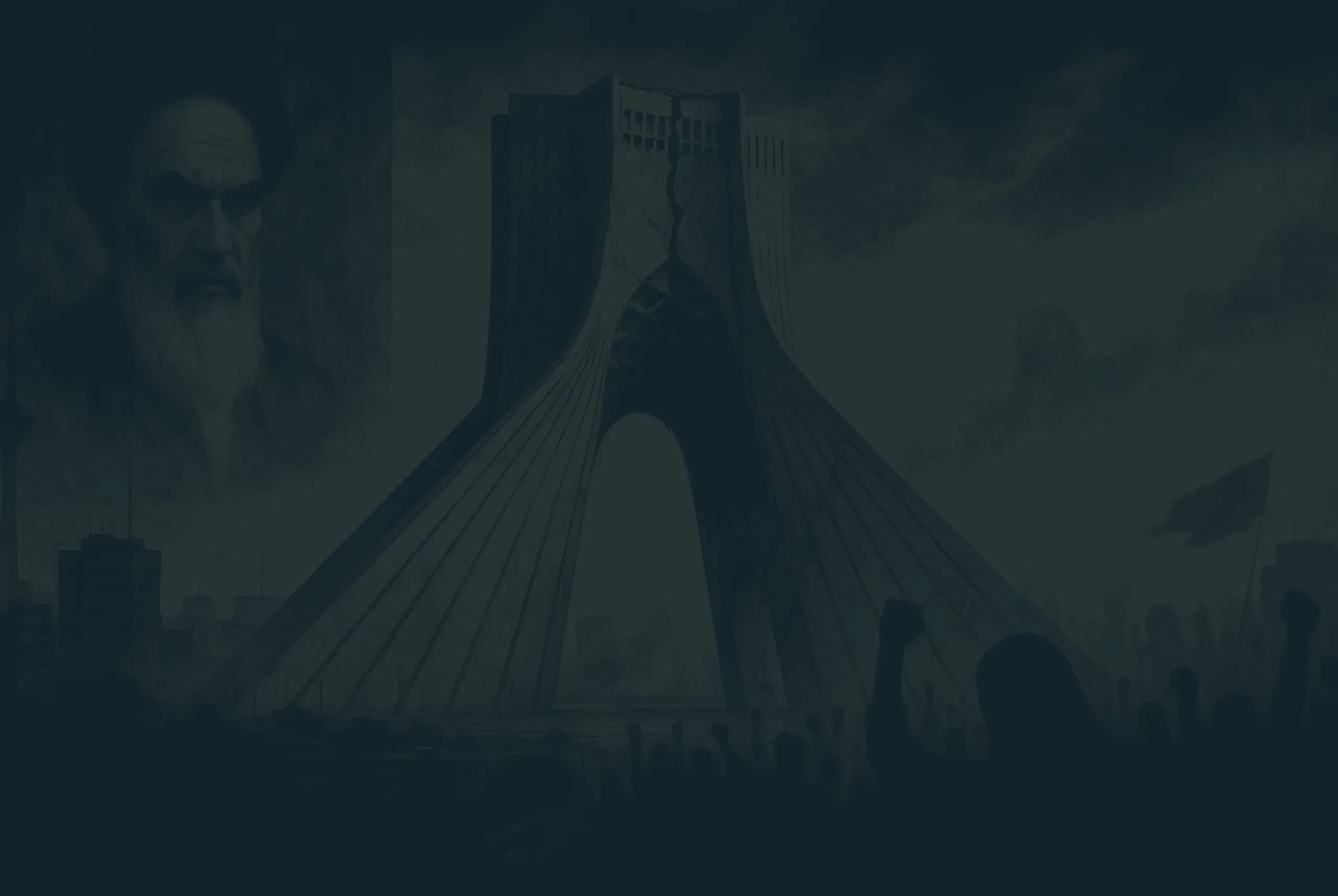
Iran, which for various reasons has always been one of the important items on the agenda of international politics, has in recent years frequently come to the fore with debates about the regime and, most recently, with street demonstrations. In fact, these debates are not new; they have a history going back to the 1979 Islamic Revolution…
Introduction
Iran, which for various reasons has always been one of the important items on the agenda of international politics, has in recent years frequently come to the fore with debates about the regime and, most recently, with street demonstrations. In fact, these debates are not new; they have a history going back to the 1979 Islamic Revolution. Immediately after the ’79 Revolution led by Ayatollah Khomeini, the debates that began on what the new order would or should be gave rise to disagreements among the various ideological and political factions that had themselves taken part in the revolutionary process. These debates grew in scale in parallel with the fundamental transformations to which the political regime was subjected.
However, debates such as what the regime to be established would be called, on which political philosophy its foundations would rest and from what kind of system the selection and functioning of the government would draw, ended before very long, and at the point reached today these debates have been reduced to two basic concepts: the “Islamic Republic” and “Religious Democracy”. These two concepts, the Islamic Republic and Religious Democracy, form the basis of the political issues debated in Iran today. In other words, Islam and religion have formed the basic political perspective that defines the new type of regime established. Although attributing an Islamic character to the republic, or complementing democracy with religion, has created a very rich intellectual climate in Iran, it is also felt that the political debates taking place in the country along this axis pose a serious threat to the general quest for stability and security. A better understanding of these debates requires an understanding of modern Iranian history, which began with the Constitutional Revolution of 1906. For without understanding the sui generis character of Iranian modernisation, it is not possible to grasp the current forms of Iranian political thought.
Author
How to cite
Güneş, K. (2025). Change and Coercion in Iran: Debates on Counter-Revolution (Analysis). SESA Institute. https://sesa.org.tr/en/publications/change-and-coercion-in-iran-debates-on-counter-revolution
Related publications

Report
2026 Knesset Election: A Victory for the Radical Right Electorate in Israel?
Prof. Veysel Ayhan